Many people believe that brushing their teeth well at home is enough to maintain a healthy mouth over time. In reality, even with a good daily routine, plaque and tartar can slowly accumulate in areas that are difficult to reach with a toothbrush alone. This is why one of the most common questions patients ask is: how often should you have oral hygiene treatment?
Professional dental cleaning is not only about making teeth look cleaner or brighter. It is considered one of the most important treatments for preventing cavities, gingivitis, bad breath, and periodontal problems. Regular check-ups help maintain healthier gums and allow potential issues to be identified before they become more complex.
In Dubai, Dr. Ali Khodr approaches oral prevention through modern protocols and advanced technologies such as Guided Biofilm Therapy (GBT), a method designed to improve both patient comfort and the quality of professional cleaning. The objective is not simply to remove tartar, but to support long-term oral health through a more precise, gentle, and personalized approach.
Understanding how often professional oral hygiene should be performed and why it matters so much helps protect not only the appearance of the smile, but also the long-term health of teeth and gums.
How often should you have oral hygiene treatment to maintain a healthy mouth?
There is no single frequency that applies to everyone. In general, many people undergo professional oral hygiene treatment every six months, but the ideal schedule may vary depending on each patient’s individual oral condition and risk factors.
Patients who tend to accumulate significant tartar, experience gum inflammation, or wear orthodontic appliances may require more frequent hygiene sessions. Smoking, dietary habits, and a predisposition to gum disease may also influence the recommended interval between appointments.
At Dr. Ali Khodr’s clinic in Dubai, the frequency of oral hygiene treatment is always evaluated on a personalized basis. Effective prevention is not based on fixed timelines, but rather on the real needs of each patient’s mouth.
Many people wait until they feel discomfort or pain before scheduling a hygiene appointment. In reality, prevention works best when treatment takes place before obvious symptoms appear. Plaque and bacterial biofilm can slowly build up without causing immediate warning signs.
Over time, this accumulation may contribute to:
- cavities;
- gum inflammation;
- bleeding gums;
- tooth sensitivity;
- bad breath.
For this reason, professional oral hygiene should be considered an essential part of long-term oral care, not simply an occasional cosmetic procedure.
How does professional dental cleaning work?
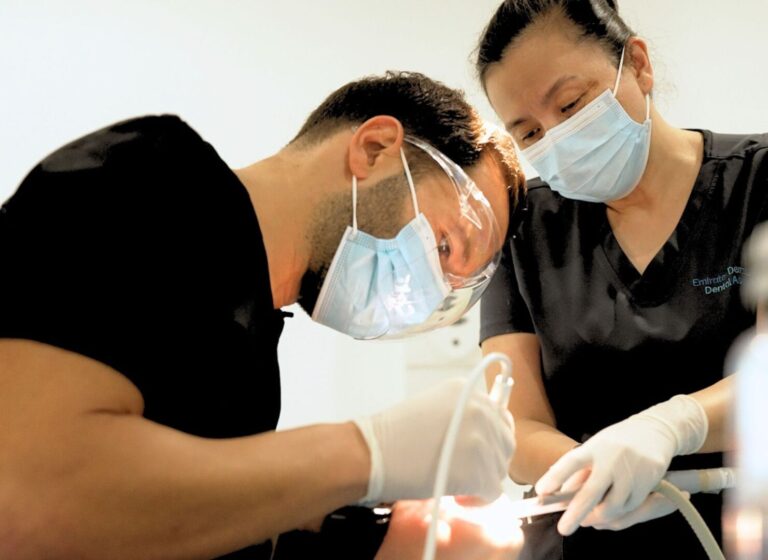
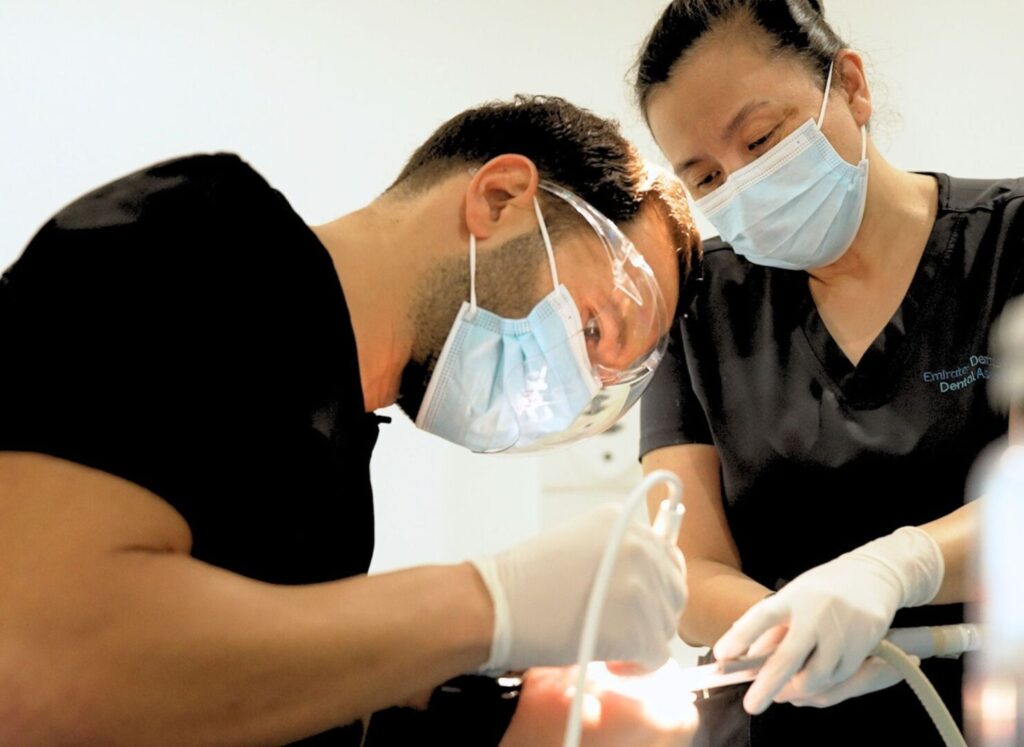
Many patients wonder what actually happens during a professional oral hygiene appointment. The treatment usually begins with an evaluation of the mouth, gums, and the presence of plaque or tartar deposits.
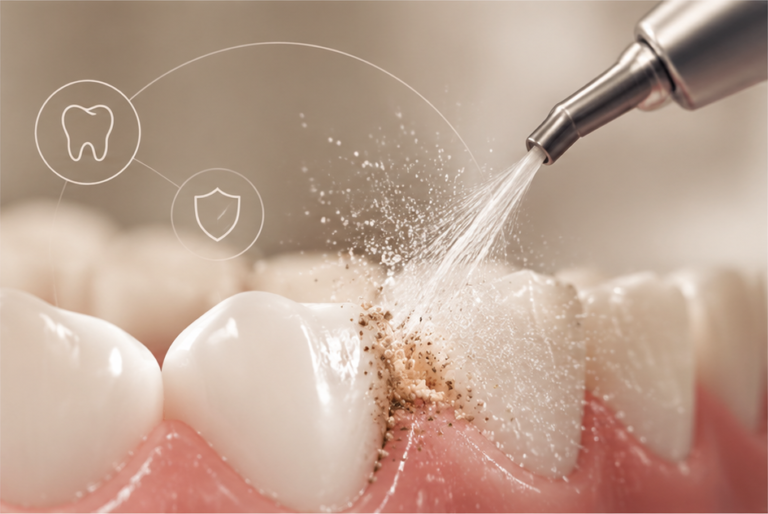
The accumulated deposits are then removed using specialized instruments and modern technologies. At Dr. Ali Khodr’s clinic, Guided Biofilm Therapy is also used. This advanced technique helps identify and remove bacterial biofilm in a more controlled and less invasive way compared to traditional methods.
Biofilm is a thin layer of bacteria that continuously forms on the teeth. If it is not properly controlled, it may contribute to cavities and gum disease. GBT allows these areas to be treated with greater precision while maintaining a gentler approach for both teeth and gums.
At the end of the session, the teeth are often polished, and patients receive personalized advice to improve their home oral hygiene routine.
One of the most important aspects is that professional hygiene treatment does not simply “clean” the teeth. It also represents a key opportunity for monitoring and preventing oral health problems before they progress further.
Is professional teeth cleaning painful?
One of the most common concerns involves the possibility of pain during oral hygiene treatment. In reality, in most cases the procedure is well tolerated and causes only mild temporary discomfort.
Sensitivity usually depends on factors such as:
- gum inflammation;
- heavy tartar accumulation;
- gum recession;
- pre-existing tooth sensitivity.
When oral hygiene treatment is performed regularly, appointments tend to be faster and more comfortable. On the other hand, waiting too long between sessions may allow more tartar to accumulate and gums to become more inflamed.
Modern technologies have also significantly improved patient comfort during treatment. At Dr. Ali Khodr’s clinic in Dubai, special attention is dedicated to patient experience and gum health. Prevention should not feel stressful, but rather become a natural part of caring for the smile.
Many patients report an immediate sensation of freshness and cleanliness after treatment, together with gums that feel healthier and less swollen.
How long does an oral hygiene session take?
Another common question concerns the duration of professional teeth cleaning. On average, a session may last between 30 and 60 minutes, although timing varies according to the patient’s clinical condition.
The duration mainly depends on the amount of tartar present, the condition of the gums, and the overall complexity of the oral situation. Patients who attend regular check-ups usually require shorter and simpler appointments. In cases involving inflammation or significant buildup, additional time may be necessary.
It is important to remember that professional hygiene treatment is not merely an aesthetic procedure. It is a comprehensive preventive treatment that allows the dentist to monitor oral health over time.
During the appointment, early signs of conditions such as:
- cavities;
- gum recession;
- bite problems;
- gingival inflammation
may also be detected.
Identifying these issues early often allows for more conservative and less invasive treatment options.
Professional cleaning and cavity prevention
One of the most important goals of professional oral hygiene is cavity prevention. Many people believe cavities are caused only by sugar, but the problem is also closely related to the prolonged presence of bacteria and biofilm on the teeth.
When plaque and tartar accumulate over time, the risk of bacterial damage to the enamel increases. Regular professional cleaning helps maintain a healthier and more controlled oral environment.
Patients with:
- dental veneers;
- implants;
- crowns;
- orthodontic appliances
should also attend regular hygiene appointments to preserve the health of gum tissues and dental structures over time.
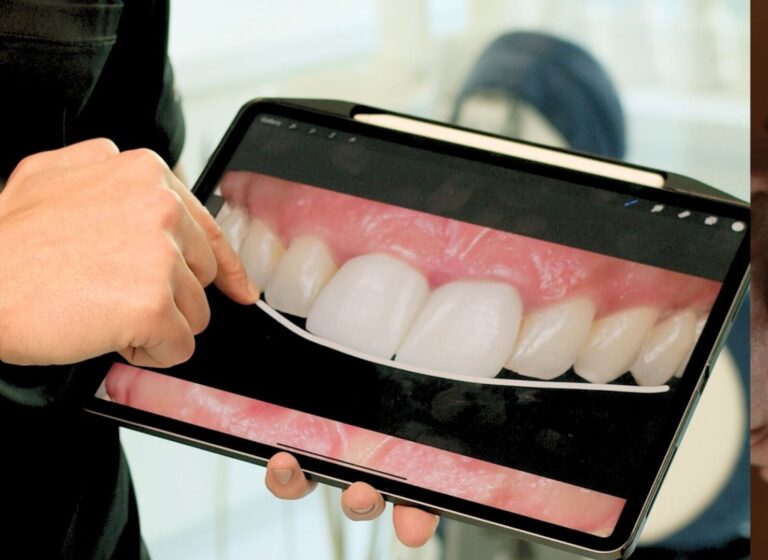
At Dr. Ali Khodr’s clinic, prevention is considered an essential part of smile aesthetics. A beautiful smile should first and foremost be healthy, and gum health represents the foundation of any aesthetic or restorative dental treatment.
What should you do and avoid after teeth cleaning?
After a professional oral hygiene session, especially if the gums are slightly sensitive, it may be useful to follow a few simple recommendations during the following hours.
In general, patients are advised to:
- avoid extremely acidic or very hot foods;
- limit beverages that stain easily;
- maintain proper oral hygiene;
- drink water regularly.
In some cases, teeth may feel slightly more sensitive immediately after treatment, but this sensation usually decreases quickly.
Many patients also notice that their teeth appear brighter. However, it is important to understand that professional cleaning does not replace tooth whitening treatment. The procedure removes superficial stains and buildup, helping restore the teeth to their natural appearance.
How often should you have oral hygiene treatment to protect your smile over time?
Understanding how often you should have oral hygiene treatment is essential for maintaining healthier teeth and gums over time. Professional cleaning is one of the most important preventive treatments for reducing the risk of cavities, gum inflammation, and bacterial accumulation.
Regular check-ups help improve oral hygiene while also allowing dental professionals to identify potential problems early and preserve the health and appearance of the smile for longer. At Dr. Ali Khodr’s clinic in Dubai, oral hygiene is approached through a modern and personalized philosophy that combines prevention, advanced technology, and long-term attention to gum health.