Dental veneers can transform the appearance of a smile, but taking care of them does not end once they have been placed. Healthy gums, good daily oral hygiene and regular professional care remain essential for maintaining the health of the entire mouth. Veneers cover the visible surface of selected teeth, but the underlying teeth and the surrounding gum tissues still need careful attention.
At Dr. Ali Khodr in Dubai, we consider the health of the teeth and gums a fundamental part of aesthetic dentistry. This is particularly important when discussing professional cleaning with veneers, because prevention helps maintain a healthy environment around restorations and allows us to monitor both the veneers and the natural structures supporting them. Understanding how professional hygiene works, how often it may be recommended and what you should do at home can help you care for your smile correctly.
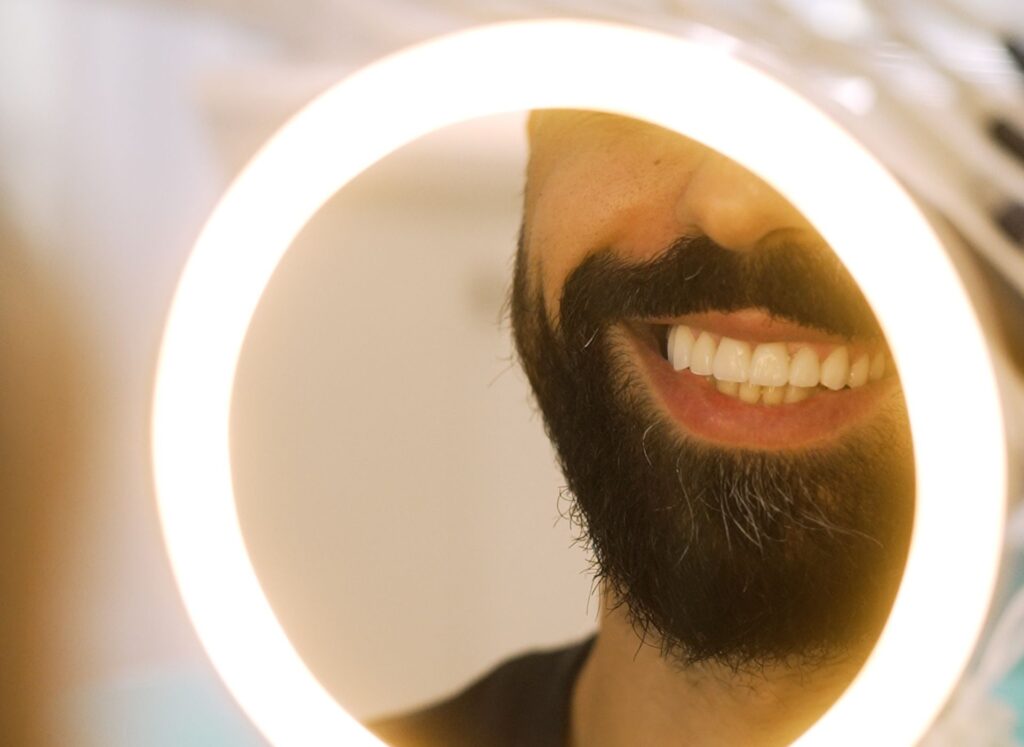
Why is professional cleaning with veneers important?
Having veneers does not prevent plaque and biofilm from accumulating around the teeth and along the gumline. Although the veneer itself is an artificial restoration, the tooth underneath it remains a natural tooth, while the gums surrounding it are living tissues that need to stay healthy. This means that professional oral hygiene remains important after veneer treatment, just as it is for people without restorations.
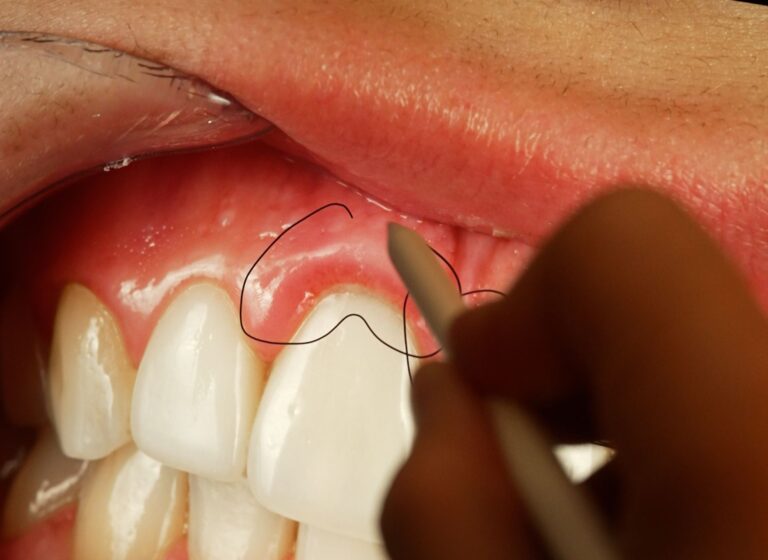
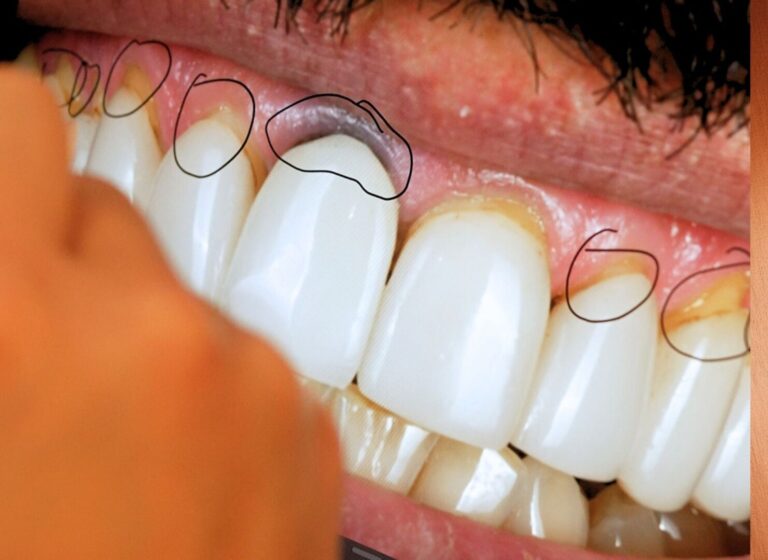
Particular attention is given to the area where the veneer meets the natural tooth. Good oral hygiene helps control bacterial deposits around these margins and supports healthy gums. If plaque is allowed to accumulate, the gums may become irritated, swollen or prone to bleeding. Over time, poor oral hygiene can also affect the natural tooth structure and the tissues surrounding the restoration.
Professional cleaning also gives us an opportunity to check the condition of your veneers, teeth and gums during periodic appointments. At Dr. Ali Khodr, prevention is part of the overall approach to aesthetic treatment: the appearance of the smile matters, but it should always be considered together with oral health.
How is professional cleaning performed when you have veneers?
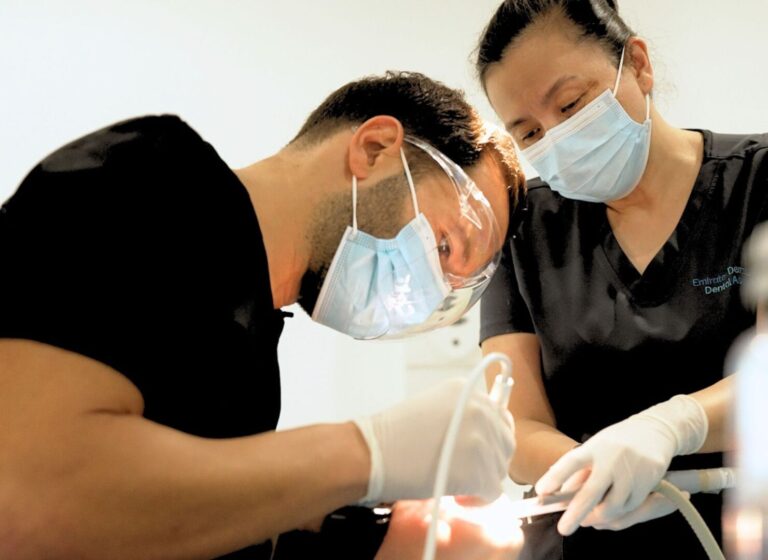
Professional hygiene for a patient with veneers requires an approach adapted to the restorations present in the mouth. The aim is to remove biofilm, plaque and deposits while respecting the surfaces of the veneers, their margins and the surrounding gum tissues. For this reason, it is important to inform the dental professional about all existing restorations and to rely on appropriate professional techniques rather than attempting aggressive cleaning methods at home.
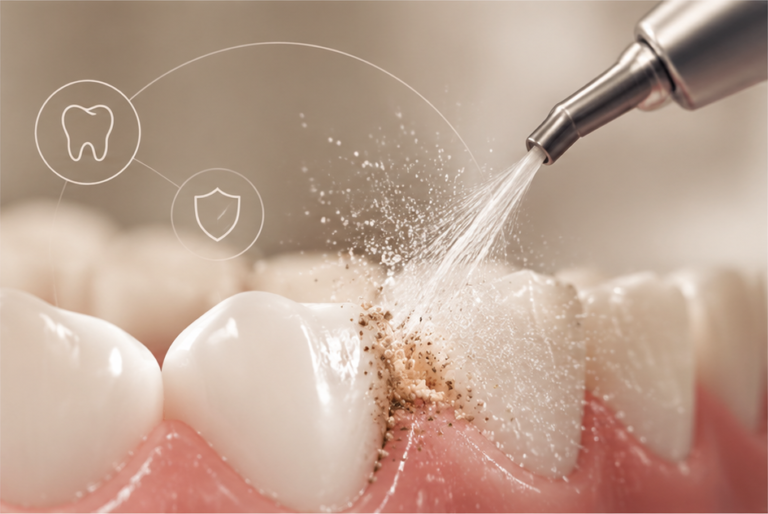
At Dr. Ali Khodr, oral hygiene can include Guided Biofilm Therapy (GBT) and Airflow with micro-powders. GBT follows a structured approach to identifying and removing biofilm, helping us focus treatment on the areas where deposits are present. Professional hygiene is personalised according to the condition of the mouth, gums, natural teeth and restorations.
The cleaning appointment is also an opportunity to assess areas that can be difficult to manage effectively with a toothbrush alone. Veneers do not eliminate the need for prevention; on the contrary, regular professional monitoring complements daily home care and helps maintain a clean and healthy oral environment.
Can you clean dental veneers like natural teeth?
Yes, veneers need to be cleaned every day, but having them does not mean that you should use stronger products or apply greater pressure when brushing. The objective remains the same as with natural teeth: remove plaque effectively while treating the teeth and gums gently. Brushing should therefore be careful and regular, paying particular attention to the gumline and the spaces between the teeth.
Interdental cleaning is also important because a toothbrush cannot always reach every surface between adjacent teeth. Depending on the individual situation, the dentist or dental hygienist can explain which instruments and techniques are appropriate. What works well for one patient may not necessarily be the best solution for another, particularly when several veneers or other restorations are present.
Avoid abrasive powders, improvised polishing techniques and aggressive products intended to make restorations look brighter. These methods may be unsuitable for veneer surfaces or irritate the gums. Professional advice is preferable to DIY solutions, because maintaining veneers involves protecting not only their appearance but also the natural teeth and periodontal tissues around them.
How do you keep veneers clean at home?
Daily care is the foundation of prevention. Veneers themselves cannot develop decay in the same way as natural enamel, but the natural tooth supporting a veneer can still be affected by oral disease. Plaque can accumulate around the margins and between teeth, which is why consistent home hygiene remains essential.
A useful daily routine generally includes:
- brushing carefully at least twice a day using an appropriate toothbrush and technique;
- cleaning between the teeth with suitable interdental tools;
- following any individual recommendations given during professional hygiene appointments.
It is important not to experiment with household substances, abrasive compounds or products that promise to polish or whiten restorations. If you notice staining, roughness or a change in the appearance of a veneer, trying to correct it yourself can make the situation worse. A professional assessment can establish whether the change concerns superficial deposits, the veneer itself or the surrounding natural tooth.
At home, the goal should therefore be consistent plaque control rather than aggressive cleaning. Combined with periodic dental examinations and professional hygiene, this helps create favourable conditions for healthy gums and well-maintained restorations.
Can professional cleaning damage dental veneers?
When professional cleaning is performed using appropriate techniques and instruments, it is planned to respect dental restorations as well as natural teeth and gums. This is one of the reasons why professional hygiene is preferable to improvised methods: the clinician can identify the materials and restorations present and adapt the procedure accordingly.
Patients sometimes worry that cleaning around a veneer could loosen it or alter its surface. A properly bonded veneer is designed to function as part of the restored tooth, but this does not mean that every cleaning product or instrument is appropriate. Professional care allows the hygienist or dentist to work carefully around the restoration margins and evaluate whether anything requires attention.
You should also tell the dental professional if you feel that a veneer has changed, if you experience discomfort when biting, or if an area has become unusually sensitive. Rather than avoiding professional hygiene because of veneers, regular check-ups can help identify changes early. The condition of the gums is particularly important because inflammation around aesthetic restorations can affect both oral health and the overall appearance of the smile.
Can dental veneers become stained or change colour?
The behaviour of a veneer depends partly on the material used to create it, which is one reason why treatment planning and material selection are important. Veneers and natural teeth do not necessarily respond to staining or whitening in the same way. Surface deposits may also influence how clean or bright the smile appears, even when the restoration itself has not changed significantly.
Professional cleaning can remove plaque and certain external deposits, but it should not be confused with teeth whitening. Whitening treatments act on natural dental tissues and their effect on restorations is different. For this reason, attempting to whiten veneers with home remedies or unverified products is not recommended. If there is a visible difference between veneers and neighbouring teeth, the first step should be to understand what is causing the colour difference.
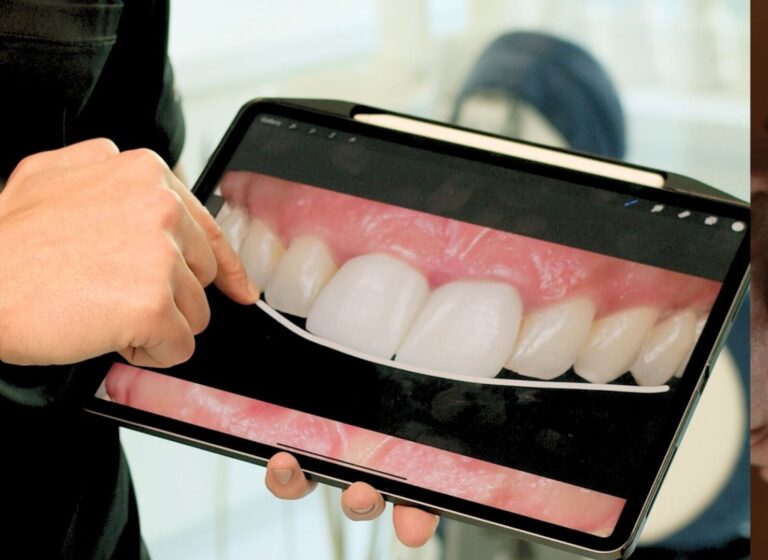
At Dr. Ali Khodr, aesthetic planning considers the smile as a whole, including the relationship between veneers, natural teeth and gums. If you notice changes in colour or appearance, a clinical evaluation can help determine whether professional hygiene, care of the natural teeth or another approach is appropriate.
How often should you have professional cleaning with veneers?
There is no single interval that is suitable for every patient. The frequency of professional cleaning with veneers depends on individual oral health, plaque accumulation, gum condition, daily hygiene habits and other clinical factors. Someone with healthy gums and excellent plaque control may have different needs from a patient who is more susceptible to inflammation or periodontal problems.
This is why the schedule should be determined after examining the mouth rather than following a fixed rule found online. During periodic appointments, we can assess the condition of the gums, check the margins of restorations and evaluate how effectively plaque is being controlled at home. The recommended frequency can then be adapted over time if the patient’s needs change.
Professional hygiene should also be considered together with regular dental examinations. Prevention is not limited to cleaning the visible surfaces of the teeth: it includes monitoring oral tissues, restorations and the health of the natural teeth. This approach is particularly valuable after aesthetic treatments, where maintaining healthy gums contributes to the overall balance of the smile.
Can you eat normally with dental veneers?
In most cases, patients with veneers can maintain a normal and varied diet, but it is sensible to avoid behaviours that place unnecessary stress on the teeth. Veneers are dental restorations, not tools for biting or opening extremely hard objects. Habits such as chewing ice, biting pens or using the teeth to open packaging can place excessive forces on both restorations and natural teeth.
Food also influences oral hygiene. Sugary foods and frequent snacking can encourage plaque activity, while highly pigmented foods and drinks may contribute to external staining on teeth and deposits over time. This does not mean that patients with veneers need an excessively restrictive diet, but good hygiene after meals and sensible habits remain important.
If a veneer feels different when chewing, if the bite suddenly seems altered or if you notice a chip or irregular edge, do not attempt to repair or smooth it yourself. A dental examination is the appropriate way to understand what has happened. Protecting veneers involves a combination of daily care, appropriate eating habits and professional monitoring, rather than relying on restrictions or DIY solutions.
Professional cleaning with veneers: protecting your smile over time
Veneers are part of a broader oral environment that includes natural teeth, gums and supporting tissues. For this reason, maintaining them means looking beyond appearance alone. Daily plaque control, periodic dental examinations and professional hygiene all contribute to maintaining healthy conditions around aesthetic restorations.
At Dr. Ali Khodr, the health of the gums and teeth remains central to our approach to veneers and aesthetic dentistry. Professional cleaning with veneers can be personalised according to the condition of your mouth, with technologies such as GBT and Airflow available as part of our oral hygiene services. If you have veneers or are considering them, discussing prevention and maintenance with your dental professional can help you understand how to care for your smile safely over time.