How long do dental veneers last on average?
One of the most frequent questions patients ask before choosing veneers is how long do dental veneers last. Dental Veneers are often seen as a long-term aesthetic solution, but their durability depends on several medical and behavioural factors. They are not temporary cosmetic accessories, nor are they permanent replacements that require no care. Veneers are restorations that interact with natural teeth, gums, and bite forces every day. In this article, I will explain the average lifespan of dental veneers, what truly influences their longevity, the difference between materials, and why maintenance and correct planning are essential. Understanding these aspects helps patients set realistic expectations and protect both their smile and oral health over time.
How long do dental veneers last on average
When patients ask how long do dental veneers last, they are often looking for a specific number of years. On average, well-planned and properly maintained veneers can last many years. However, this average is not a guarantee. Veneer longevity varies from patient to patient depending on oral health, habits, and the quality of treatment planning.
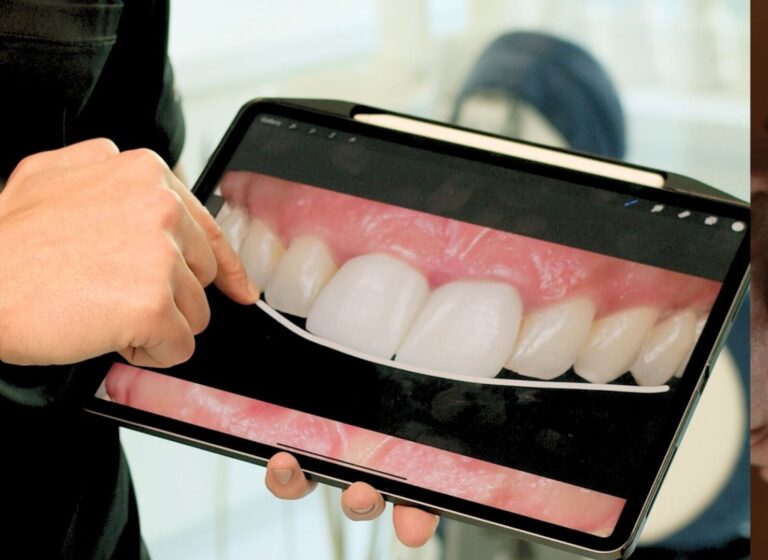
Veneers are bonded to natural teeth, meaning their lifespan is closely linked to the condition of the underlying tooth and surrounding gums. A healthy foundation allows veneers to remain stable and aesthetic for a long time. Problems such as gum inflammation, bite imbalance, or untreated grinding significantly reduce longevity. A dentist’s role is to design veneers that respect biology and function, not just appearance. Long-lasting veneers are the result of precision, not luck.
→ Learn how veneer longevity is planned
What factors influence how long dental veneers last
Several factors determine how long do dental veneers last in real life. Material choice is one of the most important. Ceramic veneers are known for their strength, colour stability, and resistance to wear, while composite veneers may require more maintenance over time. However, material alone does not determine success.
Bite forces, tooth alignment, and jaw function all influence veneer durability. Patients who grind their teeth or clench excessively place additional stress on restorations. Oral hygiene also plays a critical role. Plaque accumulation at veneer margins can lead to gum disease or secondary decay, compromising the bond. Lifestyle habits, such as smoking or frequent acidic intake, further affect long-term results. Veneers last longer when the entire oral environment is healthy and stable.
→ Discover what affects veneer durability
How material choice affects veneer lifespan
Material selection directly impacts how long do dental veneers last. Ceramic veneers offer excellent longevity due to their strength and surface stability. They resist staining and maintain their appearance when properly cared for. Composite veneers, while less invasive in some cases, are more susceptible to wear and discolouration over time.
The dental laboratory also plays a significant role. Precision in fabrication ensures accurate margins and proper thickness, which protect both the veneer and the tooth. A poorly fabricated veneer, regardless of material, is more likely to fail prematurely. Choosing materials is not about trends or marketing terms, but about selecting the most appropriate solution for each patient’s anatomy, bite, and expectations.
→ Learn about veneer materials and indications
Can daily habits shorten the lifespan of dental veneers
Daily behaviour has a major impact on how long do dental veneers last. Using teeth as tools, biting hard objects, chewing ice, or opening packaging can cause chipping or fractures. Teeth grinding, especially at night, is one of the most common causes of veneer failure if not managed.
Dietary habits also matter. Frequent sugar consumption affects gum health, while acidic foods can irritate tissues around veneers. Smoking increases the risk of gum inflammation and aesthetic deterioration. Patients who follow professional advice and protect their restorations significantly extend their lifespan. Veneers are designed to function like natural teeth, not to withstand abuse. Respecting their limits is essential.
→ Understand habits that damage veneers
How gum health determines how long veneers last
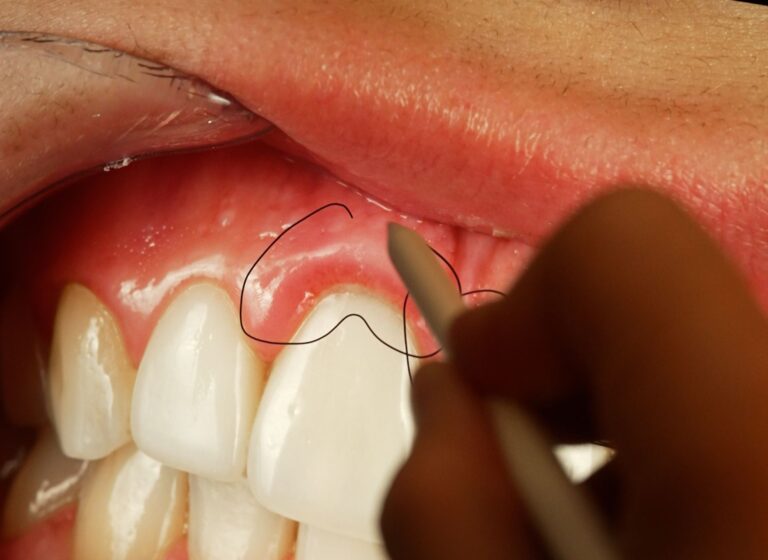
Gum health is often overlooked when discussing how long do dental veneers last, yet it is one of the most critical factors. Healthy gums support veneers and maintain aesthetic harmony. Inflammation or recession exposes veneer margins, compromises appearance, and increases the risk of failure.
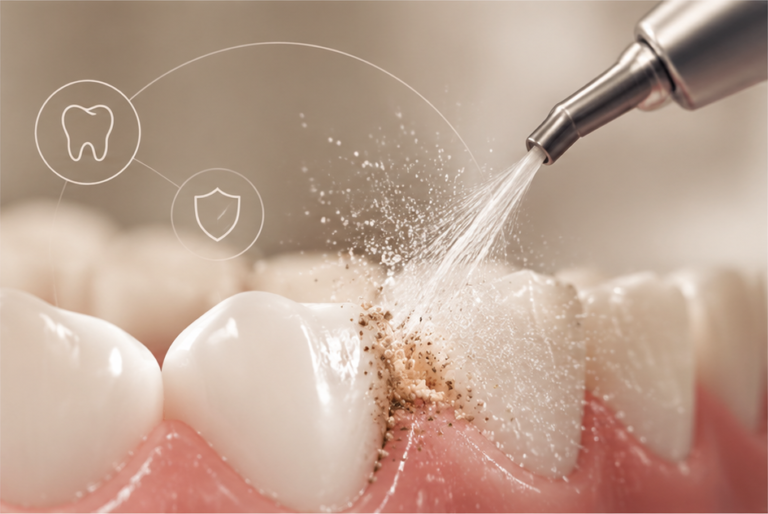
Veneers do not protect against gum disease. In fact, they require meticulous hygiene to keep margins clean. Regular professional cleanings and proper home care are essential. When gums remain healthy, veneers are far more likely to last as intended. Long-term success depends on prevention, not just restoration quality.
→ Learn why gum care protects veneers
How maintenance and follow-up affect veneer longevity
Veneers are not a “fit and forget” treatment. Ongoing maintenance plays a decisive role in how long do dental veneers last. Regular dental check-ups allow early detection of bite issues, wear, or gum changes. Minor adjustments can prevent major problems if addressed early.
Professional hygiene appointments remove plaque from areas that brushing cannot reach. Dentists also monitor restorations over time, ensuring they continue to function harmoniously with natural teeth. Skipping follow-ups increases the risk of unnoticed issues that shorten veneer lifespan. Dentistry is a long-term relationship, not a one-time procedure.
→ Learn about veneer maintenance protocols
Can dental veneers last a lifetime
Some patients hope veneers will last forever. While veneers are designed for durability, no dental restoration can be guaranteed for life. When asking how long do dental veneers last, it is important to be realistic. Ageing, biological changes, and lifestyle factors influence outcomes over time.
That said, well-maintained veneers can last many years and often longer than patients expect. When replacement is needed, it is usually due to natural wear rather than failure. The goal of dentistry is not permanence at all costs, but long-term health with predictable results. Conservative updates are often possible when veneers are planned responsibly from the beginning.
→ Discover realistic expectations for veneers
Conclusion: how long do dental veneers last and what truly matters
Understanding how long do dental veneers last means looking beyond averages and focusing on quality, planning, and care. Veneers are long-term restorations that depend on healthy teeth, stable gums, and responsible daily habits.
In this article, we explored the factors that influence veneer longevity, from materials to maintenance and lifestyle. If you are considering dental veneers or already have them, a professional dental consultation is essential to protect your investment. Personalised guidance ensures that your veneers remain functional, aesthetic, and supportive of your oral health for as long as possible.
Contact me today and take the first step towards a healthier, confident smile.
I will personally guide you through a comprehensive evaluation and answer all your questions with clarity and care. Your treatment will always be planned with safety, precision, and long-term oral health in mind.
- Email: dralikhodr@gmail.com
- Call me: +971 50 541 5677
- Chat on WhatsApp: Write me now
- Find me here: Reach me now
Book your visit today and receive professional guidance tailored to your smile.