For some patients, professional dental cleaning is a routine appointment. For others, the thought of the instruments, sounds, tooth sensitivity or possible discomfort can create genuine anxiety. Fear of teeth cleaning is more common than many people realise, and it may be linked to a previous unpleasant experience, sensitive teeth or simply not knowing what will happen during the appointment.
At Dr. Ali Khodr in Dubai, we believe that understanding a procedure can make it easier to approach. Professional oral hygiene is an important part of prevention because home brushing alone cannot always control all the plaque, biofilm and deposits that accumulate around teeth and gums. Modern techniques such as Guided Biofilm Therapy (GBT) and Airflow also allow professional hygiene to be adapted to the individual patient, with particular attention to comfort and sensitivity. Knowing what to expect is therefore a useful first step for anyone who feels nervous about dental cleaning.
Why am I afraid of teeth cleaning?
There is rarely a single reason behind dental anxiety. Some people remember a previous cleaning that felt uncomfortable, while others dislike the sound or sensation of dental instruments. Patients with sensitive teeth or inflamed gums may also worry that cleaning will hurt, particularly if they have postponed professional hygiene for a long time. In other cases, the anxiety begins before the appointment simply because the patient does not know what will happen.
Fear can also become self-reinforcing. A person who is worried about discomfort may postpone professional cleaning, allowing more plaque and hardened deposits to accumulate. When the appointment is eventually made, the mouth may require more attention than it would have with regular preventive care. Avoidance therefore does not necessarily make the next appointment easier.
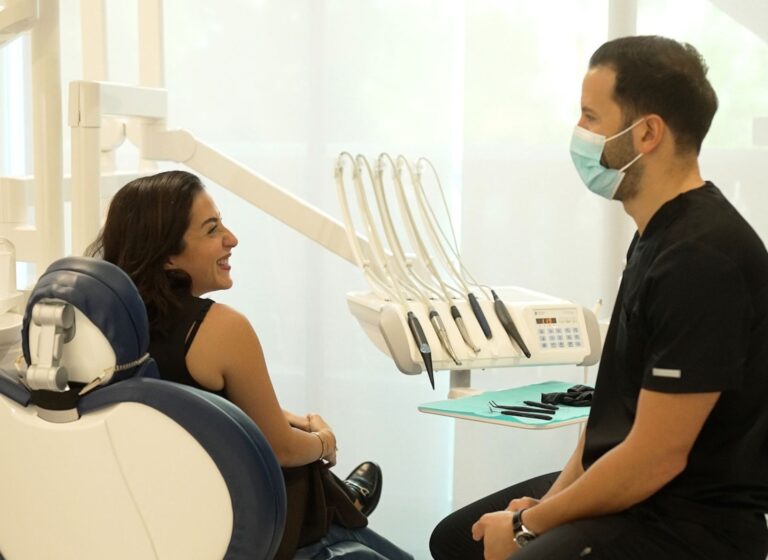
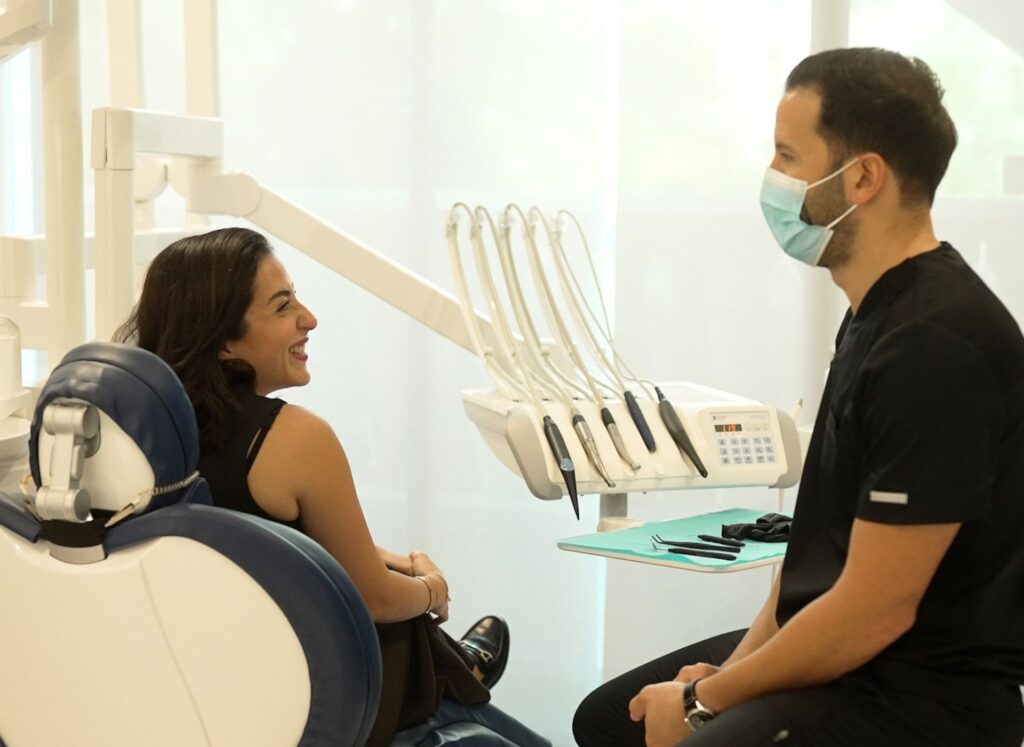
Talking openly about anxiety is important. Rather than trying to hide it, tell the dental team what specifically worries you: sensitivity, pain, sounds, previous experiences or feeling that you have no control during treatment. This information can help the professional understand your concerns and adapt the appointment where appropriate. Dental anxiety should not be a source of embarrassment; communication is part of providing personalised care.
How does professional teeth cleaning work?
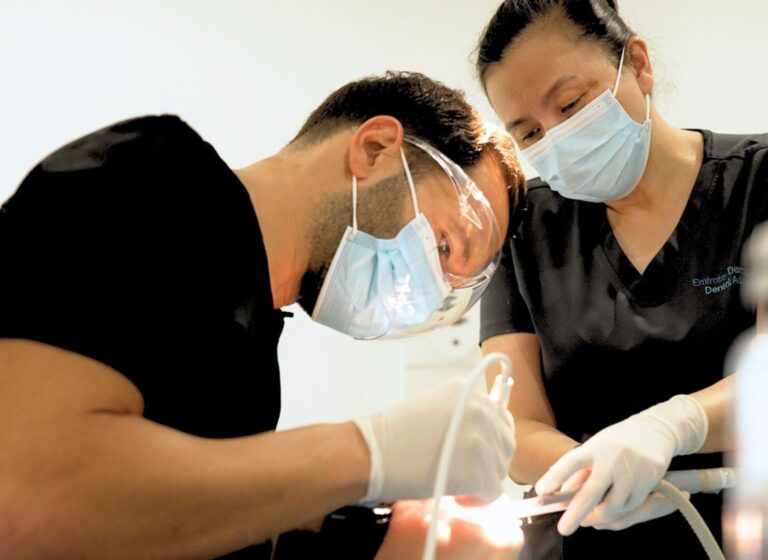
Professional dental cleaning begins with an assessment of the mouth. The condition of the teeth and gums, the presence of plaque, biofilm, tartar and external stains, and any areas of sensitivity can influence how the appointment is managed. The procedure is therefore not necessarily identical for every patient.
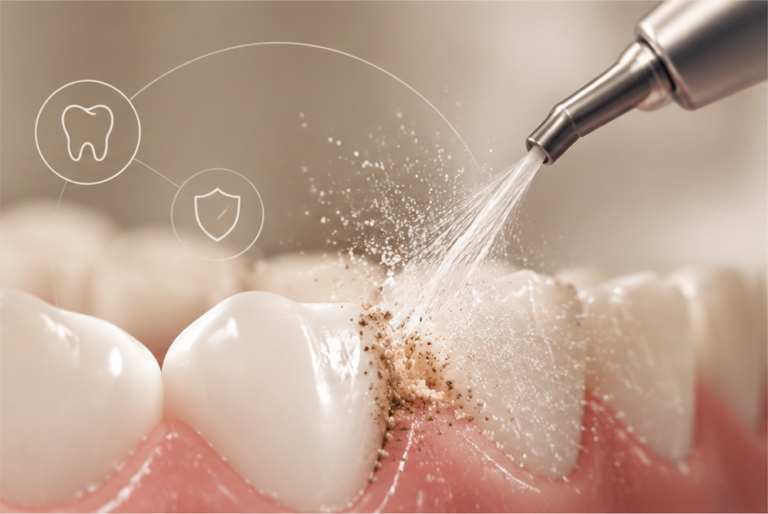
Professional hygiene is designed to remove deposits that cannot always be managed effectively through normal brushing and interdental cleaning at home. Depending on the clinical situation, different instruments and technologies may be used to work around the teeth and gumline. At Dr. Ali Khodr, oral hygiene services include Guided Biofilm Therapy and Airflow with micro-powders, which form part of a structured approach to identifying and removing biofilm.
It is useful to distinguish routine professional hygiene from deeper periodontal treatment. If gum disease has created deeper pockets around the teeth, a different procedure such as scaling and root planing may be indicated after clinical assessment. This is one reason why searching online for exactly what a “teeth cleaning” will involve cannot replace an examination: the procedure depends on the condition of your mouth and gums.
Is teeth cleaning painful?
One of the most common concerns among anxious patients is whether professional cleaning hurts. There is no universal answer because individual sensitivity varies considerably. Many patients experience pressure, vibration or unfamiliar sensations rather than pain, while others may find certain areas more sensitive, particularly around exposed root surfaces or inflamed gums.
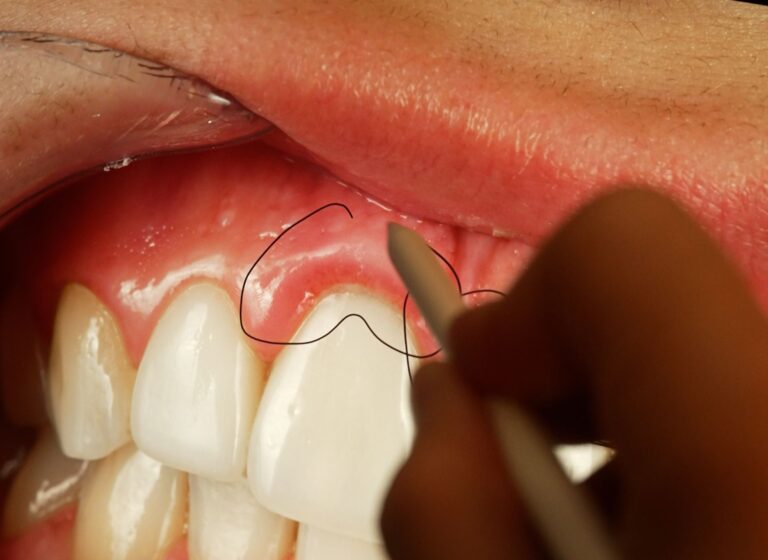
The condition of the mouth also matters. If gums are irritated or there are significant deposits, some areas may feel more sensitive during and immediately after cleaning. Conversely, regular professional hygiene combined with effective home care can help maintain healthier gums and make preventive appointments easier to manage over time. It is important to distinguish temporary sensitivity from the assumption that professional cleaning must necessarily be painful.
If something feels uncomfortable during treatment, you should communicate it rather than trying to tolerate it silently. The procedure can be adapted to your individual needs, and pauses can be taken when appropriate. Patients who experience significant anxiety should mention this before treatment begins so that suitable options can be discussed. The goal is not simply to complete the cleaning, but to provide oral care in a way that takes both clinical needs and patient comfort into account.
How long does teeth cleaning take?
Patients with a fear of teeth cleaning often want to know how long they will need to remain in the dental chair. There is no fixed duration that applies to every professional hygiene appointment, because the time required depends on the individual condition of the mouth.
Factors such as the amount of plaque and tartar, gum health, sensitivity, the presence of veneers, implants or orthodontic appliances, and the time since the previous professional cleaning can all affect the appointment. Someone who attends regular preventive visits and maintains effective daily hygiene may have different needs from a patient who has not had professional cleaning for several years.
For an anxious patient, speed should not necessarily be the priority. Rushing can make an appointment feel more stressful, particularly if the person needs explanations or occasional pauses. A calm approach allows the procedure to be performed according to the patient’s clinical situation while maintaining communication throughout. If you are worried about how long the treatment may take, discussing this before starting can reduce uncertainty and help you understand what will happen during the visit.
What can I do if I have a fear of teeth cleaning?
The first thing to do is tell the dental team. It may sound simple, but explaining your anxiety before the appointment gives the clinician an opportunity to understand what triggers it. Fear of teeth cleaning can have very different causes, so the approach should reflect the individual patient rather than assuming everyone is afraid of the same thing.
Several simple strategies can make the experience easier. Before treatment begins, you can ask for the procedure to be explained and agree on a signal to indicate when you would like a pause. Knowing what sensation or sound to expect next can reduce the feeling of uncertainty. Slow breathing and consciously relaxing the jaw, shoulders and hands may also help some patients feel more in control.
For patients with more significant dental anxiety, additional options can be considered after appropriate assessment. At Dr. Ali Khodr, conscious sedation with nitrous oxide is available, and the hospital environment also allows broader sedation and anaesthesia options when clinically appropriate. These approaches are not automatically necessary for routine hygiene and suitability must always be evaluated individually, but their availability can be relevant for patients whose anxiety makes dental treatment particularly difficult.
What should you do before professional teeth cleaning?
You do not need complicated preparations before a routine professional hygiene appointment. Continue your normal oral hygiene routine and provide the dental team with accurate information about your health, medications and any changes since your previous visit. If you have sensitive areas, bleeding gums or a tooth that has recently started causing discomfort, mention these concerns before cleaning begins.
For anxious patients, preparation is also psychological. Avoid spending hours reading frightening personal experiences online, because another patient’s situation may have little in common with yours. Instead, write down the specific questions that concern you. Knowing whether you are primarily afraid of sensitivity, instruments, sounds or pain makes it easier to discuss a practical solution.
Do not attempt an aggressive “deep clean” yourself before the appointment. Scraping tartar with improvised tools or using abrasive substances can damage teeth and gums and does not reproduce professional hygiene. Tartar and deposits that require professional removal should be managed by a dental professional, while home care should focus on regular brushing and cleaning between the teeth with appropriate products and techniques.
What should you not do after teeth cleaning?
After professional cleaning, your mouth may feel noticeably smoother and fresher. Some people experience temporary gum tenderness or tooth sensitivity, particularly if significant deposits were removed or the gums were already inflamed. What you should do after the appointment depends partly on the treatment performed and your individual oral condition, so personalised instructions should always take priority over general advice found online.
If your teeth feel sensitive, very hot or cold foods and drinks may temporarily feel uncomfortable. Choosing foods and beverages that are comfortable for you can help until the sensation settles. Continue oral hygiene as advised rather than stopping brushing because the gums feel slightly tender. Plaque control remains important after professional treatment.
Smoking and tobacco use are harmful to oral and periodontal health and should not be considered compatible with maintaining healthy gums. Likewise, do not use aggressive whitening products immediately because your teeth appear cleaner after the appointment. Professional cleaning and teeth whitening are different procedures: hygiene removes plaque, biofilm and deposits, while whitening is an aesthetic treatment designed to modify the appearance of natural tooth colour.
Does teeth cleaning make your teeth whiter?
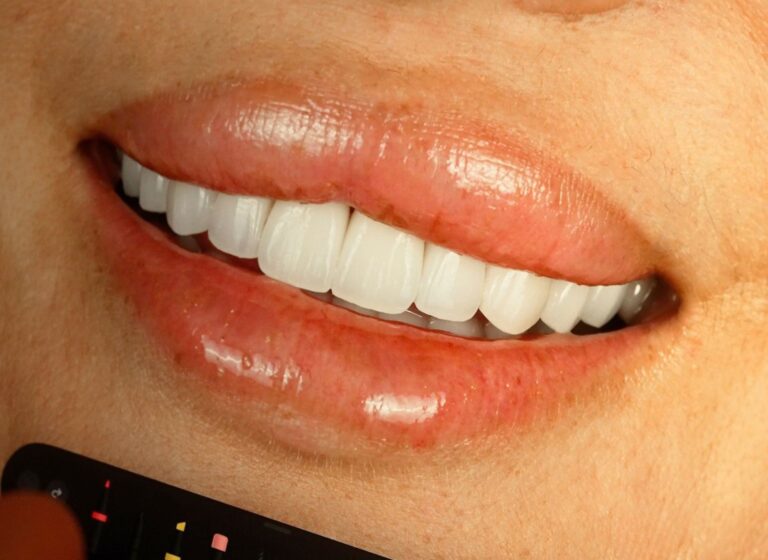
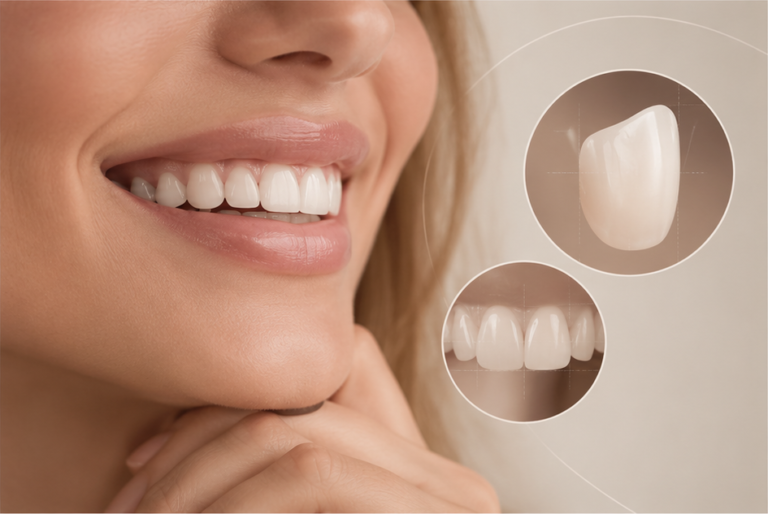
Professional cleaning can make a smile appear cleaner and sometimes brighter because it can remove plaque and certain external stains from the tooth surfaces. However, this does not mean that dental hygiene is the same as professional teeth whitening. The two treatments have different purposes.
Professional hygiene primarily focuses on oral health and prevention. Removing bacterial biofilm and deposits supports gum health and allows the dental professional to assess areas that may require further attention. Teeth whitening, on the other hand, is specifically intended to change the appearance of the colour of natural teeth using an appropriate whitening protocol.
DIY whitening methods should not be used as a substitute for either procedure. Abrasive powders, acidic substances and other homemade techniques can damage dental surfaces or irritate soft tissues. If your main concern is tooth colour, the first step is understanding why the teeth appear darker or stained. In some cases professional cleaning may remove external deposits; in others, whitening may be considered separately after evaluating oral health.
How often should professional teeth cleaning be done?
There is no single schedule that is appropriate for every patient. How frequently professional hygiene is recommended depends on gum health, plaque accumulation, oral hygiene habits and individual risk factors. The presence of implants, veneers, orthodontic appliances or a history of periodontal problems can also influence maintenance requirements.
This is why automatically deciding to have a cleaning at a fixed interval based only on general information online is less useful than following a personalised preventive plan. During professional appointments, the dental team can assess whether plaque is accumulating in particular areas, whether the gums bleed or show signs of inflammation, and whether daily cleaning techniques need to be improved.
Regular professional hygiene should complement, not replace, care at home. Brushing appropriately and cleaning between the teeth every day remain fundamental. Conversely, excellent home care does not necessarily make professional monitoring unnecessary. Prevention works best when home hygiene and periodic professional assessment support each other, allowing potential concerns to be identified before they become more difficult to manage.
Fear of teeth cleaning: understanding the procedure can make a difference
Having a fear of teeth cleaning does not mean that you should avoid professional oral hygiene. Understanding what happens during the appointment, discussing sensitive areas beforehand and telling the dental team exactly what worries you can make the experience more predictable. Modern professional hygiene can also be adapted according to the condition of the teeth and gums, rather than following an identical procedure for every patient.
At Dr. Ali Khodr, we place particular importance on patient comfort and on supporting people who feel anxious about dental treatment. Our approach to professional hygiene includes Guided Biofilm Therapy and Airflow, while options for anxiety management can be evaluated when appropriate. The aim is to combine prevention, gum health and personalised care, helping patients approach professional dental hygiene with greater understanding and confidence.