Is getting dental veneers painful?
One of the most common concerns I hear from patients is whether dental veneers are painful. It is completely normal to feel anxious about any dental procedure, especially when it involves your smile. Many online searches asking is getting dental veneers painful are driven by fear of discomfort, needles, or long recovery times. The reality is very different from what is often imagined. Veneers are a carefully planned, minimally invasive treatment when done correctly. In this article, I will explain what patients actually feel during each step, why pain is often overestimated, how modern dentistry controls discomfort, and why professional evaluation is essential to ensure a safe and comfortable experience.
What do patients usually mean when they ask if veneers are painful?
When patients ask is getting dental veneers painful, they are often referring to different fears combined into one question. Some worry about injections, others about tooth preparation, and many fear post-treatment sensitivity. Pain perception is highly subjective and influenced by previous dental experiences, anxiety levels, and misinformation found online. Veneers, when clinically indicated and correctly performed, are designed to be conservative and respectful of tooth structure.
Most discomfort associated with veneers is mild and temporary. During the procedure, local anaesthesia is used when needed, meaning patients should not feel pain. After the appointment, some sensitivity to temperature or pressure can occur, especially if enamel preparation was necessary. This sensitivity usually resolves within a short period. Understanding what causes these sensations helps patients feel more in control and reassured. Dentistry today focuses on patient comfort, and pain management is an integral part of ethical clinical practice.
→ Learn more about patient comfort during veneer treatments
How are dental veneers placed and what does it feel like?
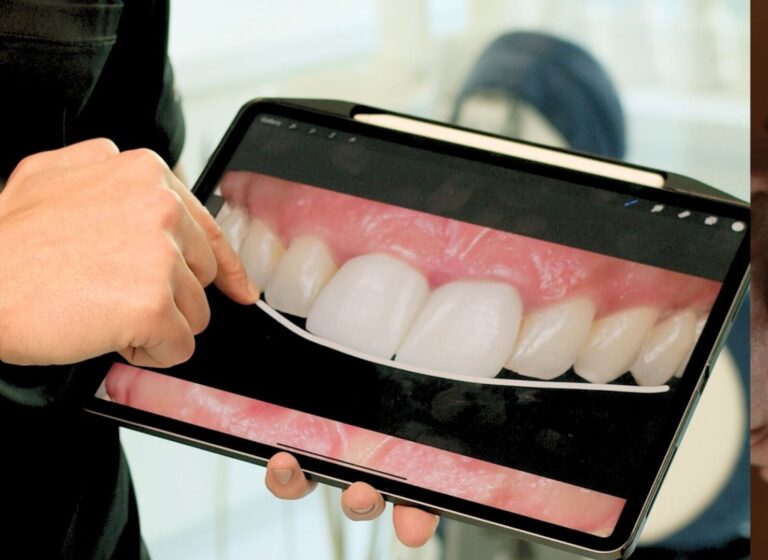
To understand discomfort, it is important to know how dental veneers are placed. The process starts with diagnosis, digital planning, and mock-ups when appropriate. If enamel preparation is required, it is minimal and performed under anaesthesia. Patients often report feeling pressure or vibration rather than pain. This sensation is comparable to routine dental procedures such as fillings.
Once the veneers are ready, bonding is performed using advanced adhesive systems. This step is painless, as it does not involve drilling or nerve stimulation. The dentist carefully checks margins, bite, and aesthetics to avoid future discomfort. Pain during veneer placement is not expected. Any discomfort usually comes from anxiety rather than the procedure itself. Clear communication and trust between dentist and patient play a significant role in how the experience is perceived.
→ Discover how veneers are safely placed
Does tooth shaving for veneers cause pain?
A frequent concern related to is getting dental veneers painful is tooth shaving. The idea of removing enamel sounds alarming, but in reality, modern veneer preparation is extremely conservative. In many cases, no-prep or minimal-prep veneers are possible, depending on the clinical situation. When preparation is needed, it involves removing a very thin layer of enamel, often less than a millimetre.
This step is performed under local anaesthesia, ensuring the patient does not feel pain. The goal is to create space for the veneer while preserving tooth health. Aggressive tooth reduction is never recommended, as it can lead to sensitivity or long-term complications. Pain during preparation is avoidable when proper protocols are followed. A responsible dentist prioritises biology and comfort over speed or aggressive cosmetic results.
→ Read about conservative veneer preparation
Can dental veneers cause pain after the procedure?
Some patients experience mild discomfort after veneers are placed, which leads them to wonder if something went wrong. Post-treatment sensitivity can occur, especially in the first few days. This is usually related to the tooth adjusting to the new restoration or temporary changes in bite perception. Sensitivity to cold or pressure is common and typically short-lived.
Persistent pain is not normal and should always be evaluated by a dentist. Causes may include bite imbalance, gum irritation, or pre-existing conditions that were not fully addressed. This is why follow-up appointments are essential. When veneers are planned correctly and bonded precisely, long-term pain is unlikely. Monitoring and adjustments ensure that veneers remain comfortable and functional over time.
→ Learn how post-veneer sensitivity is managed
Is getting dental veneers painful for anxious patients?
Dental anxiety significantly influences pain perception. Patients who are anxious may feel more discomfort even during simple procedures. For those asking is getting dental veneers painful, anxiety often plays a larger role than the treatment itself. Modern dentistry offers several solutions to help anxious patients feel at ease, including behavioural techniques, detailed explanations, and sedation options when appropriate.
Creating a calm environment and allowing patients to feel in control reduces stress and perceived pain. For highly anxious individuals, conscious sedation can be considered to ensure a relaxed experience. Addressing anxiety is not a luxury but part of comprehensive patient care. A comfortable patient is more likely to have a positive experience and better clinical outcomes.
→ Explore options for anxious dental patients
Why DIY or low-quality veneers can cause pain
Many negative stories about painful veneers are linked to unsafe treatments. DIY veneers, snap-on products, or poorly planned cosmetic procedures often cause gum inflammation, bite problems, and chronic discomfort. These options do not respect dental anatomy or biology and can trap bacteria, leading to infection and pain.
Professional veneers are custom-made and bonded under controlled conditions. Choosing shortcuts increases the risk of complications that may require complex corrective treatments. Pain associated with veneers is often the result of improper planning rather than the concept of veneers themselves. Dentistry should never compromise health for aesthetics.
→ Understand the risks of non-professional veneers
How dentists minimise pain and ensure comfort
Pain prevention starts long before the procedure. Comprehensive evaluation, digital planning, and patient communication are key. During treatment, local anaesthesia, gentle techniques, and precise instruments ensure comfort. After treatment, dentists provide guidance on oral care and manage any temporary sensitivity.
A patient-centred approach recognises that comfort is as important as aesthetics. Dentists are trained to anticipate discomfort and address it proactively. This is why discussing concerns openly before treatment is essential. Veneers should enhance confidence, not create fear.
→ Learn about modern comfort-focused dentistry
Conclusion: is getting dental veneers painful and what should you expect
So, is getting dental veneers painful? For most patients, the answer is no. When veneers are properly planned and placed by a qualified dentist, discomfort is minimal and temporary. Pain is not a normal part of veneer treatment and should never be ignored if it occurs.
In this article, we explored what patients feel during veneers, how pain is managed, and why professional care matters. If you are considering dental veneers, the best way to address concerns is through a personalised dental consultation. A professional evaluation will help you understand what to expect and ensure your treatment is safe, comfortable, and tailored to your needs.
Contact me today and take the first step towards a healthier, confident smile.
I will personally guide you through a comprehensive evaluation and answer all your questions with clarity and care. Your treatment will always be planned with safety, precision, and long-term oral health in mind.
- Email: dralikhodr@gmail.com
- Call me: +971 50 541 5677
- Chat on WhatsApp: Write me now
- Find me here: Reach me now
Book your visit today and receive professional guidance tailored to your smile.