Foods to avoid immediately after dental cleaning
After a professional dental cleaning, many patients feel that their teeth are smoother, brighter, and healthier. This is the ideal moment to protect the results of the treatment. One of the most common questions I receive is about foods to avoid immediately after dental cleaning, and this is a very important topic. During a dental cleaning, plaque, tartar, and surface stains are removed, leaving teeth and gums temporarily more exposed and sensitive. This does not mean your teeth are weak, but they are more reactive in the hours that follow.
In this article, I will explain why certain foods should be avoided right after dental cleaning, which foods are safer, how long precautions should last, and how proper behaviour helps protect gum health, enamel integrity, and long-term oral wellness.
Why teeth and gums are more sensitive after dental cleaning
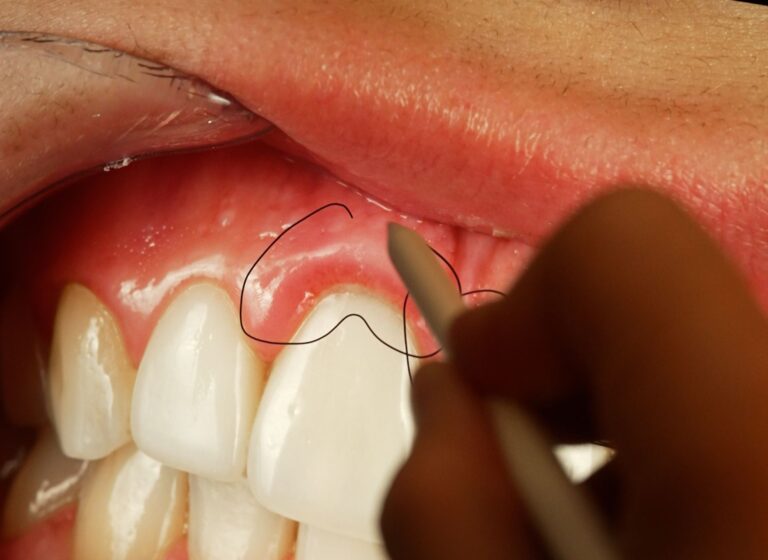
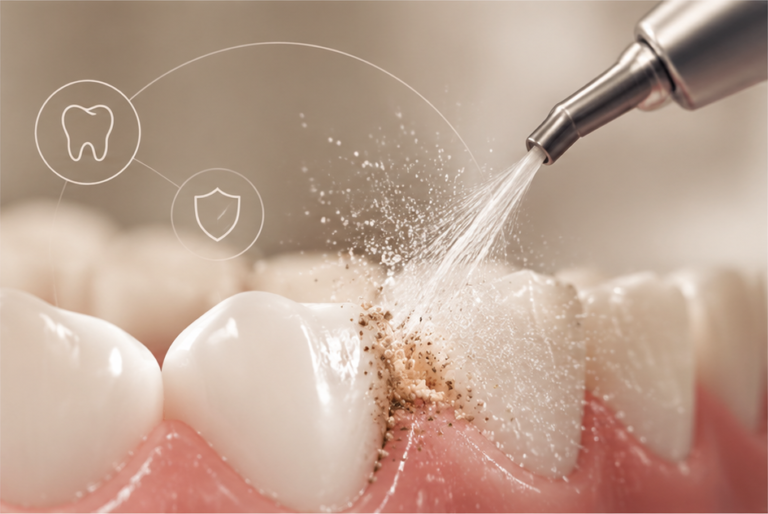
To understand foods to avoid immediately after dental cleaning, it is essential to know what happens during a professional hygiene session. Dental cleaning removes hardened tartar and bacterial biofilm from tooth surfaces and gum margins. Once these deposits are removed, enamel and roots are more directly exposed to temperature changes, acidity, and mechanical stress. Gums may also be slightly inflamed or sensitive, especially if there was pre-existing plaque accumulation.
This sensitivity is temporary and completely normal. However, eating the wrong foods too soon can irritate the gums, increase discomfort, and reduce the benefits of the cleaning. The goal after hygiene treatment is to allow tissues to stabilise and recover naturally. Respecting this phase improves comfort and supports long-term gum health. Dental cleaning is not only about clean teeth, but about creating a healthy environment for healing and prevention.
→ Learn how professional dental cleaning supports oral health
Acidic foods to avoid immediately after dental cleaning
One of the most important categories of foods to avoid immediately after dental cleaning is acidic foods. Citrus fruits, vinegar-based dressings, tomatoes, fizzy drinks, and fruit juices can irritate enamel and gums when consumed too soon. After cleaning, enamel may be temporarily more vulnerable to acid exposure, increasing the risk of sensitivity and surface demineralisation.
Acids soften enamel and can cause discomfort, especially when combined with temperature extremes. While these foods are not harmful in general, timing is crucial. Waiting a few hours allows saliva to rebalance the oral environment and strengthen enamel naturally. Choosing neutral foods during this period protects your teeth and helps maintain the benefits of the cleaning. Acid control is a key aspect of preventive dentistry.
→ Read more about enamel protection after hygiene
Hard and crunchy foods that should be avoided
Hard and crunchy foods are another important group within foods to avoid immediately after dental cleaning. Nuts, hard bread crusts, popcorn, ice, and raw vegetables can put mechanical stress on teeth and gums that may still be sensitive. After scaling and polishing, gum tissues may be slightly tender, and hard foods can cause irritation or micro-trauma.
In addition, hard foods can lodge between teeth and under the gumline, increasing discomfort and irritation. This does not mean these foods are unhealthy, but they are better reintroduced gradually. Soft foods allow the mouth to recover comfortably and reduce unnecessary stress. Gentle care after dental cleaning helps stabilise the gums and enhances patient comfort.
→ Discover gentle food choices after dental hygiene
Sticky and sugary foods to avoid after dental cleaning
Sticky and sugary foods are among the most problematic foods to avoid immediately after dental cleaning. Caramels, gummies, sweets, and sugary snacks adhere easily to tooth surfaces and gum margins. After cleaning, teeth are clean but not protected by plaque, making them more susceptible to bacterial recolonisation if sugar is introduced too soon.
Sugar feeds oral bacteria, accelerating plaque formation and undermining the preventive effect of the cleaning. Sticky foods are also harder to remove and may irritate sensitive gums. Avoiding these foods for the rest of the day helps preserve cleanliness and supports gum healing. Dental cleaning is an opportunity to reset oral health habits, and limiting sugar intake is one of the most effective preventive strategies.
→ Learn how sugar affects oral health
Very hot or very cold foods and drinks
Temperature sensitivity is common after dental cleaning, which is why extreme temperatures are included in foods to avoid immediately after dental cleaning. Hot coffee, tea, soups, ice cream, and cold drinks can trigger discomfort by stimulating exposed dentin or sensitive gum areas. This sensitivity is usually short-lived but can be uncomfortable if ignored.
Choosing foods and drinks at moderate temperatures allows nerves to calm down and tissues to adapt. This simple precaution significantly improves post-cleaning comfort. Sensitivity is not a complication, but a signal that the mouth needs gentle care for a short period. Respecting temperature limits helps patients enjoy the benefits of cleaning without unnecessary discomfort.
→ Read about managing sensitivity after dental treatments
How long should foods be avoided after dental cleaning
Patients often ask how long they should follow these recommendations. When discussing foods to avoid immediately after dental cleaning, the critical period is usually the first few hours. In cases of deep cleaning or gum inflammation, precautions may be advised for up to 24 hours. Your dentist or hygienist will provide personalised guidance based on your oral condition.
This short period of care has long-term benefits. Allowing gums to settle and enamel to rehydrate naturally supports healing and reduces sensitivity. Dental cleaning is a preventive investment, and small behavioural adjustments protect that investment effectively.
→ Learn about post-cleaning care timelines
Why professional advice matters after dental cleaning
Every patient’s mouth is different. While general guidance on foods to avoid immediately after dental cleaning is helpful, personalised advice ensures the best outcome. Patients with gum disease, sensitivity, restorations, or orthodontic appliances may require additional precautions.
Following professional recommendations reduces the risk of discomfort and enhances treatment success. Dentistry is not only about procedures, but about education and prevention. Listening to post-treatment advice helps patients maintain oral health between visits and reduces the need for more complex treatments in the future.
→ Get personalised oral hygiene guidance
Conclusion: foods to avoid immediately after dental cleaning and why it matters
Understanding foods to avoid immediately after dental cleaning helps protect your teeth and gums at a crucial moment. Acidic, hard, sticky, sugary, and extreme-temperature foods can increase sensitivity and reduce the benefits of professional hygiene if consumed too soon.
In this article, we explored why these foods should be avoided, how long precautions should last, and how gentle choices support healing. If you have questions after a dental cleaning, professional guidance is always recommended. A personalised approach ensures comfort, protects oral health, and helps you maintain a clean, healthy smile for the long term.
Contact me today and take the first step towards a healthier, confident smile.
I will personally guide you through a comprehensive evaluation and answer all your questions with clarity and care. Your treatment will always be planned with safety, precision, and long-term oral health in mind.
- Email: dralikhodr@gmail.com
- Call me: +971 50 541 5677
- Chat on WhatsApp: Write me now
- Find me here: Reach me now
Book your visit today and receive professional guidance tailored to your smile.