Dr. Ali Khodr
What is Sleep Apnea?
Sleep apnea is a disorder characterized by repeated interruptions in breathing during sleep. There are three types of sleep apnea: obstructive sleep apnea (OSA), central sleep apnea, and complex sleep apnea. OSA, the most common type, occurs when the muscles in the throat relax too much during sleep, blocking the airway. Central sleep apnea happens when the brain fails to send proper signals to the muscles that control breathing. Complex sleep apnea is a combination of both. The frequent pauses in breathing can last from a few seconds to minutes and disrupt deep, restful sleep. Sleep apnea in Dubai is a treatable condition, and early diagnosis can prevent long-term health risks.


Experience dentistry built on precision, empathy, and advanced technology.

Over 15 years of clinical excellence shaped by early training and continuous development.

Digital Smile Design and premium materials for natural, long-lasting results.

Comprehensive care supported by a skilled team and hospital-grade services.
Book a personalised consultation focused on clarity, comfort, and health-first dentistry, with advanced digital planning, transparent explanations, and supportive guidance from Dr. Ali Khodr and his team, ensuring confident decisions and predictable, long-term dental outcomes.
What are the symptoms of Sleep Apnea?
The symptoms of sleep apnea can vary in severity but commonly include loud snoring, choking or gasping during sleep, excessive daytime sleepiness, and difficulty concentrating. Many people with sleep apnea also experience dry mouth, sore throat, or frequent waking at night. Other signs include irritability, depression, or memory problems. Since many of these symptoms occur during sleep, a partner or family member may notice signs of sleep apnea before the affected individual does. If you experience any of these symptoms, seeking professional help is crucial. A sleep apnea in Dubai diagnosis and treatment plan can significantly improve your quality of life.
Why do I wake up tired even after sleeping?
Waking up tired, even after a full night’s sleep, can be a sign of sleep apnea. Although you may spend sufficient hours in bed, disrupted sleep due to breathing pauses prevents you from reaching deep, restorative sleep stages. As a result, you may feel fatigued, groggy, or unrested, even after seemingly adequate rest. This sleep disruption leads to chronic daytime fatigue, difficulty concentrating, and irritability. If you’re constantly feeling exhausted despite sleeping, sleep apnea in Dubai could be the cause. A proper diagnosis followed by effective treatment can help you regain energy and improve sleep quality.

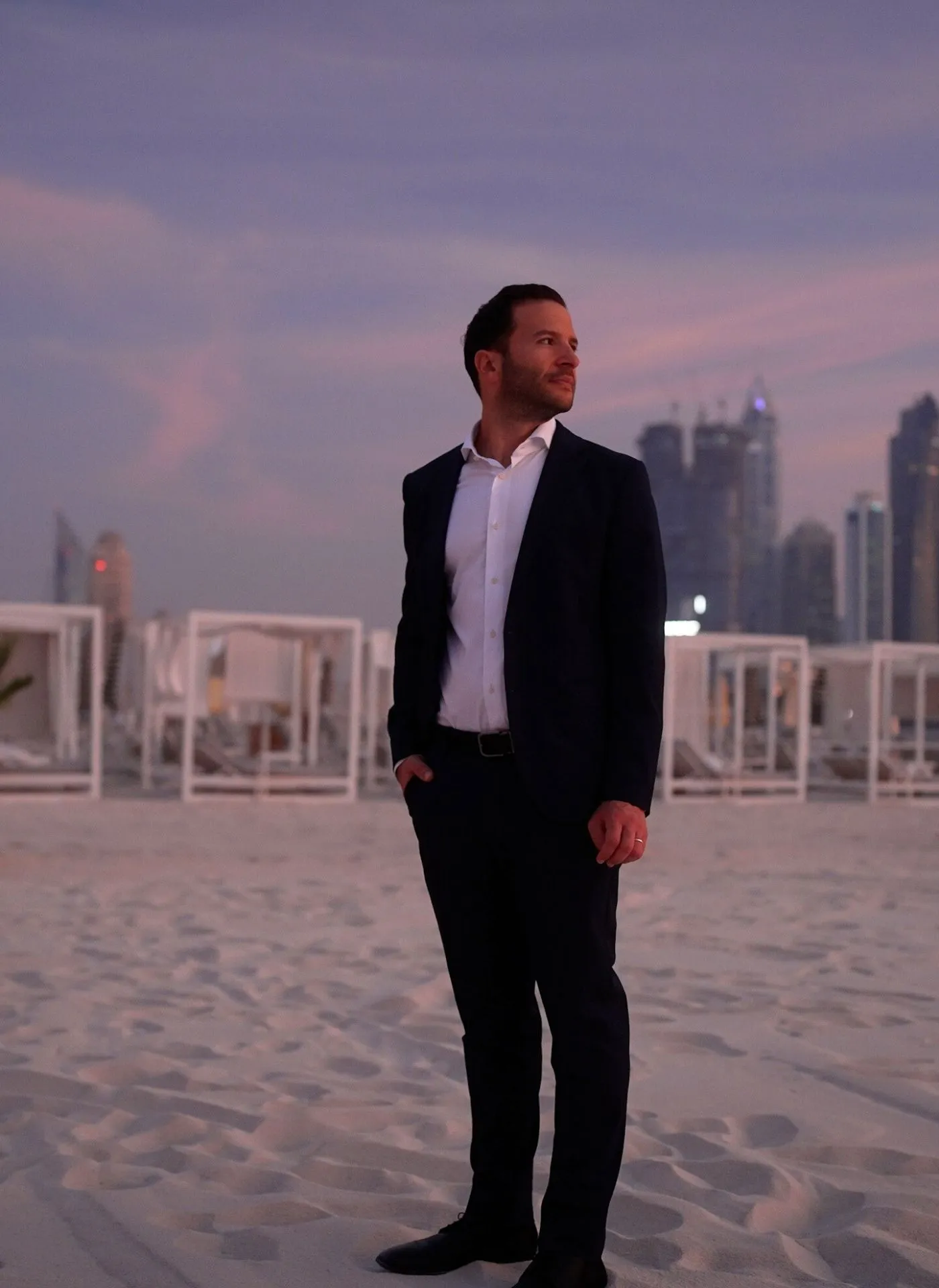
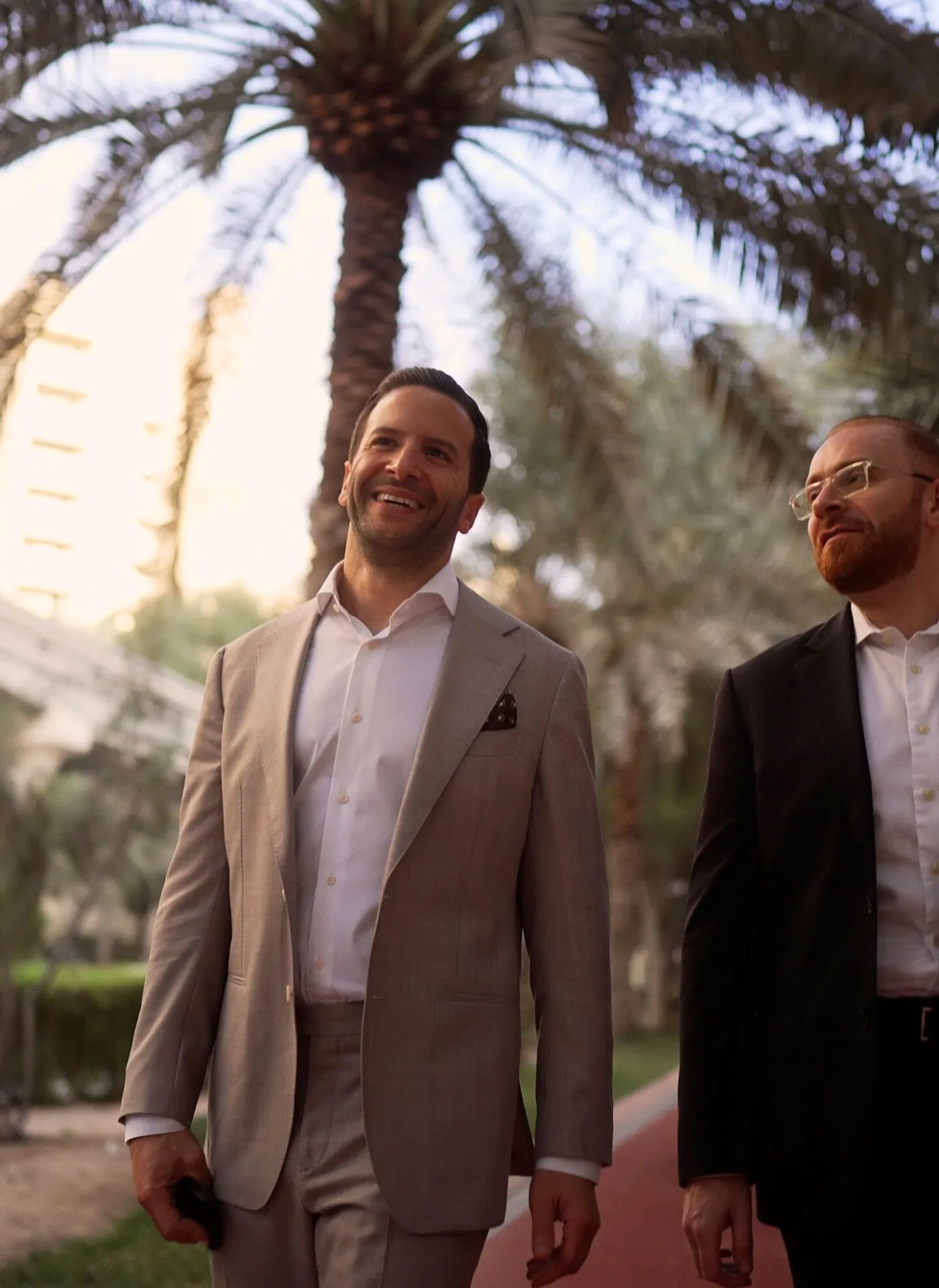
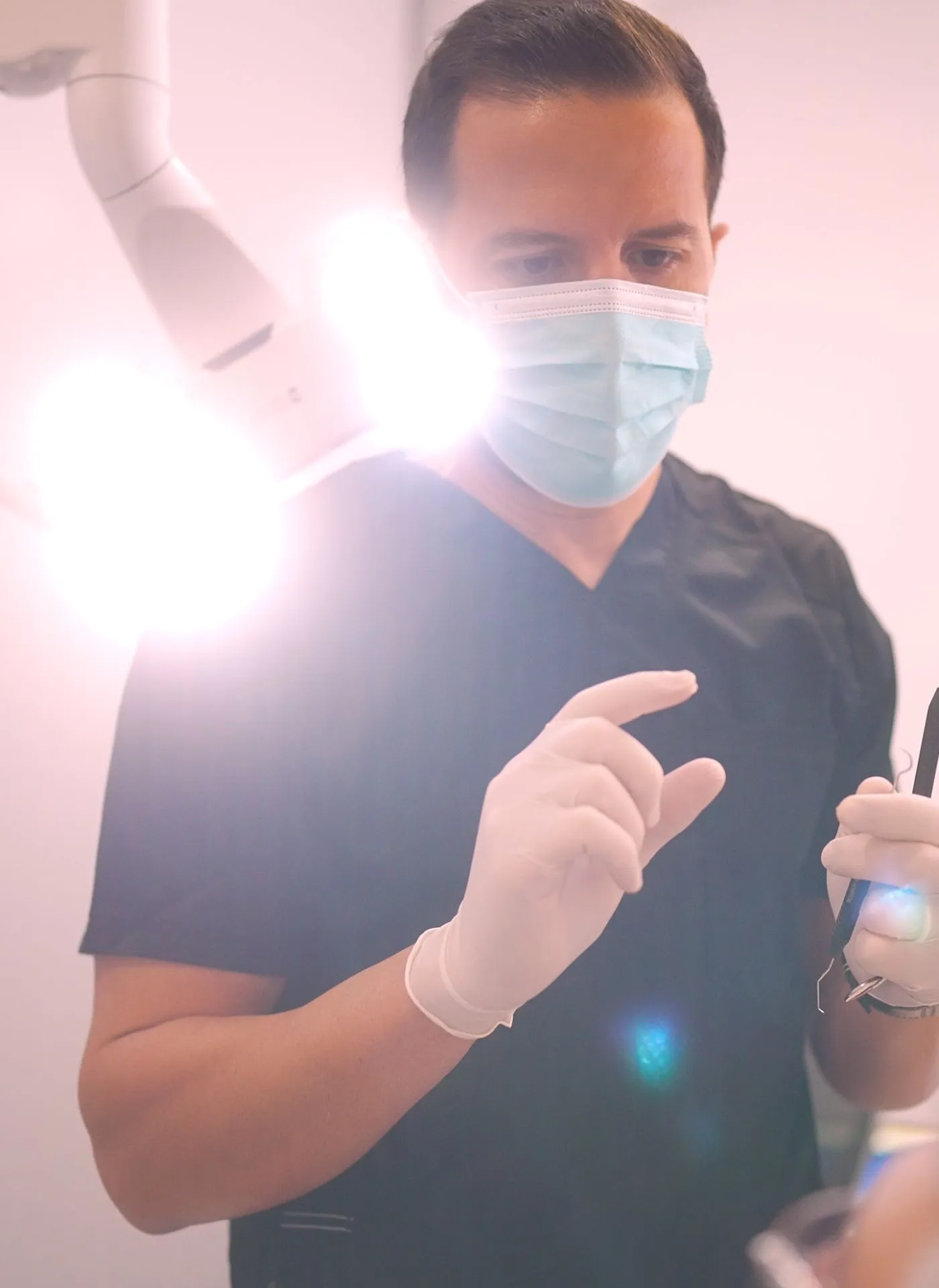
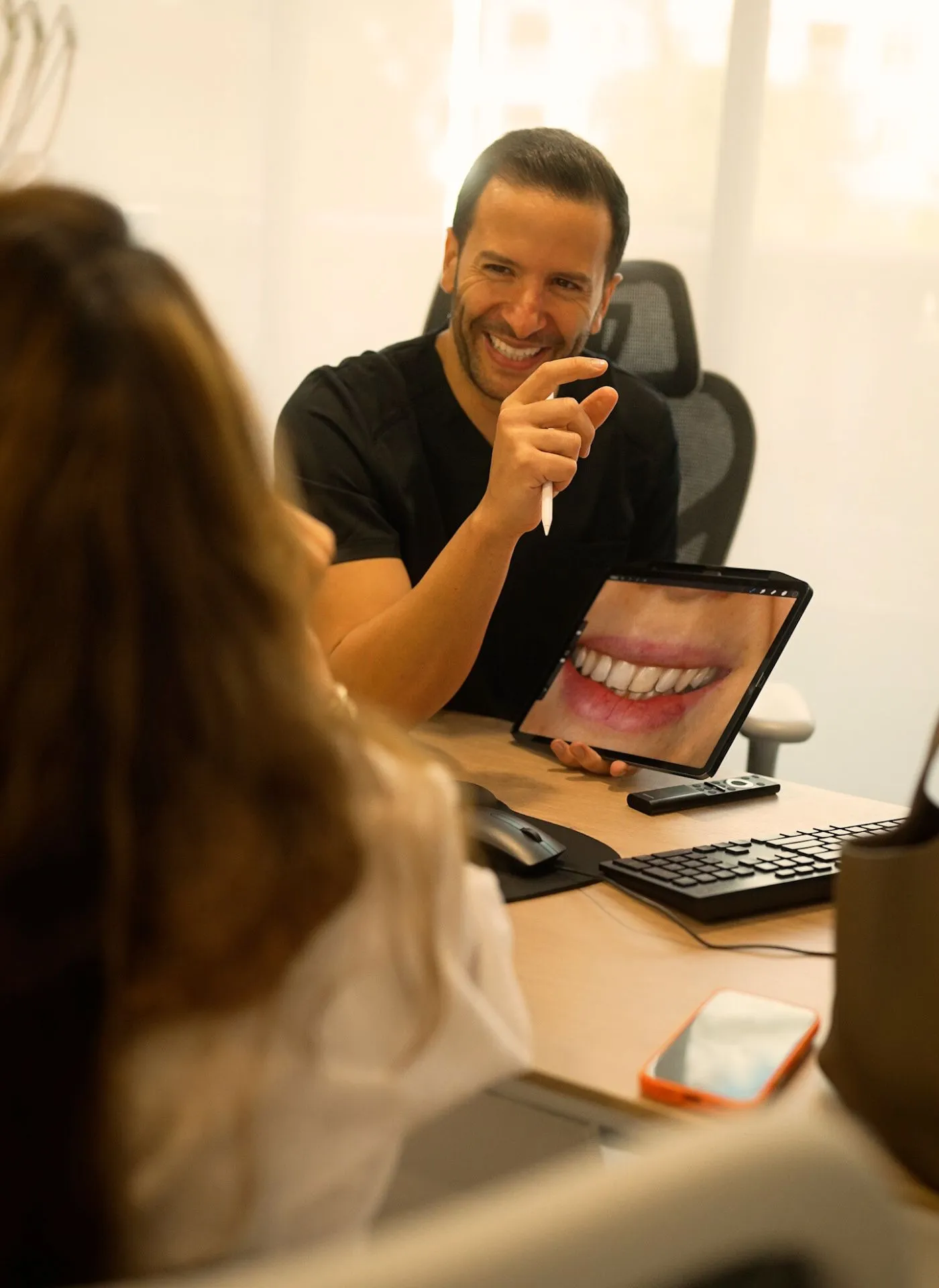
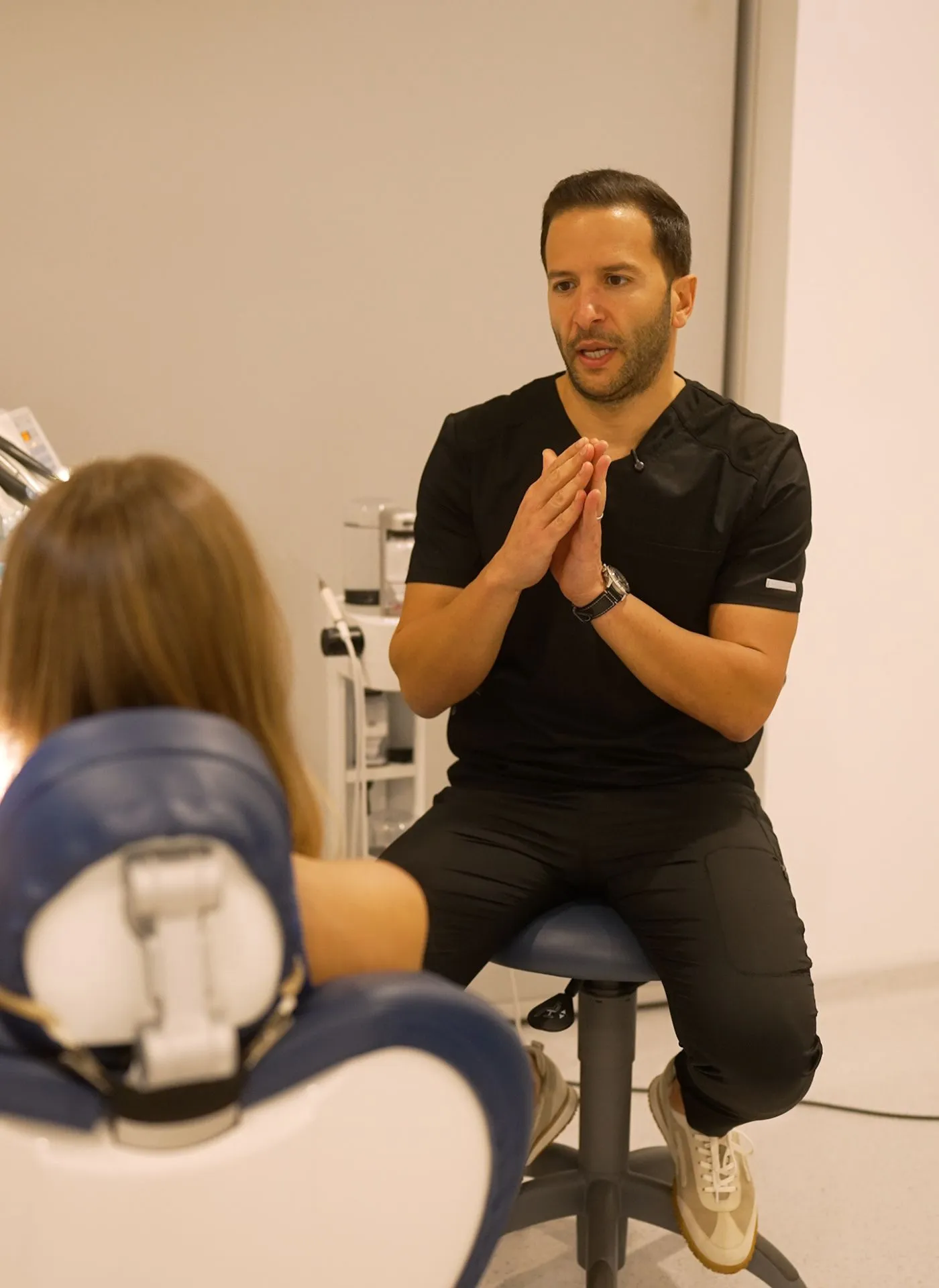
Dr. Ali Khodr is a Lebanese dental professional with over 15 years of clinical experience, recognised for his precision, leadership, and health-focused approach to dentistry. Growing up alongside a highly respected dentist shaped his early discipline, leading him to start treating patients while still at university. He later refined his expertise through international education and advanced training in cosmetic dentistry and periodontology. Today, he leads and develops dental departments within major hospital groups in the UAE, combining advanced technology, ethical decision-making, and patient empathy. His work reflects a commitment to long-term stability, safety, and natural aesthetics, embodying the standards expected from a trusted Dentist in Dubai.

My mission is to provide ethical, advanced dental care focused on health, safety, and natural aesthetics, helping every patient smile with confidence and long-term wellbeing.

Why do I snore loudly at night?
Loud snoring is a common sign of sleep apnea, especially obstructive sleep apnea (OSA). Snoring occurs when the muscles in the throat relax and partially block the airway, causing vibrations that create a snoring sound. For individuals with sleep apnea, snoring is often accompanied by pauses in breathing, gasping, or choking. The louder the snoring, the more likely it is that the airway is being obstructed. If loud snoring is disrupting your sleep or affecting others around you, it’s important to consult with a sleep specialist. Effective treatment for sleep apnea in Dubai can eliminate snoring and restore restful sleep.
Can Sleep Apnea cause morning headaches?
Yes, sleep apnea can cause morning headaches. These headaches occur due to low oxygen levels during sleep caused by breathing pauses. When the body is deprived of oxygen during sleep, it can lead to vasodilation (widening of blood vessels), which may trigger a headache upon waking. Morning headaches are particularly common in individuals with moderate to severe sleep apnea. Other contributing factors include poor sleep quality, teeth grinding, or jaw clenching. If you frequently wake up with a headache, it could be linked to untreated sleep apnea. A consultation with a sleep apnea in Dubai specialist can help identify the underlying cause.

A complete evaluation to understand your needs, concerns, and oral health before planning any treatment.

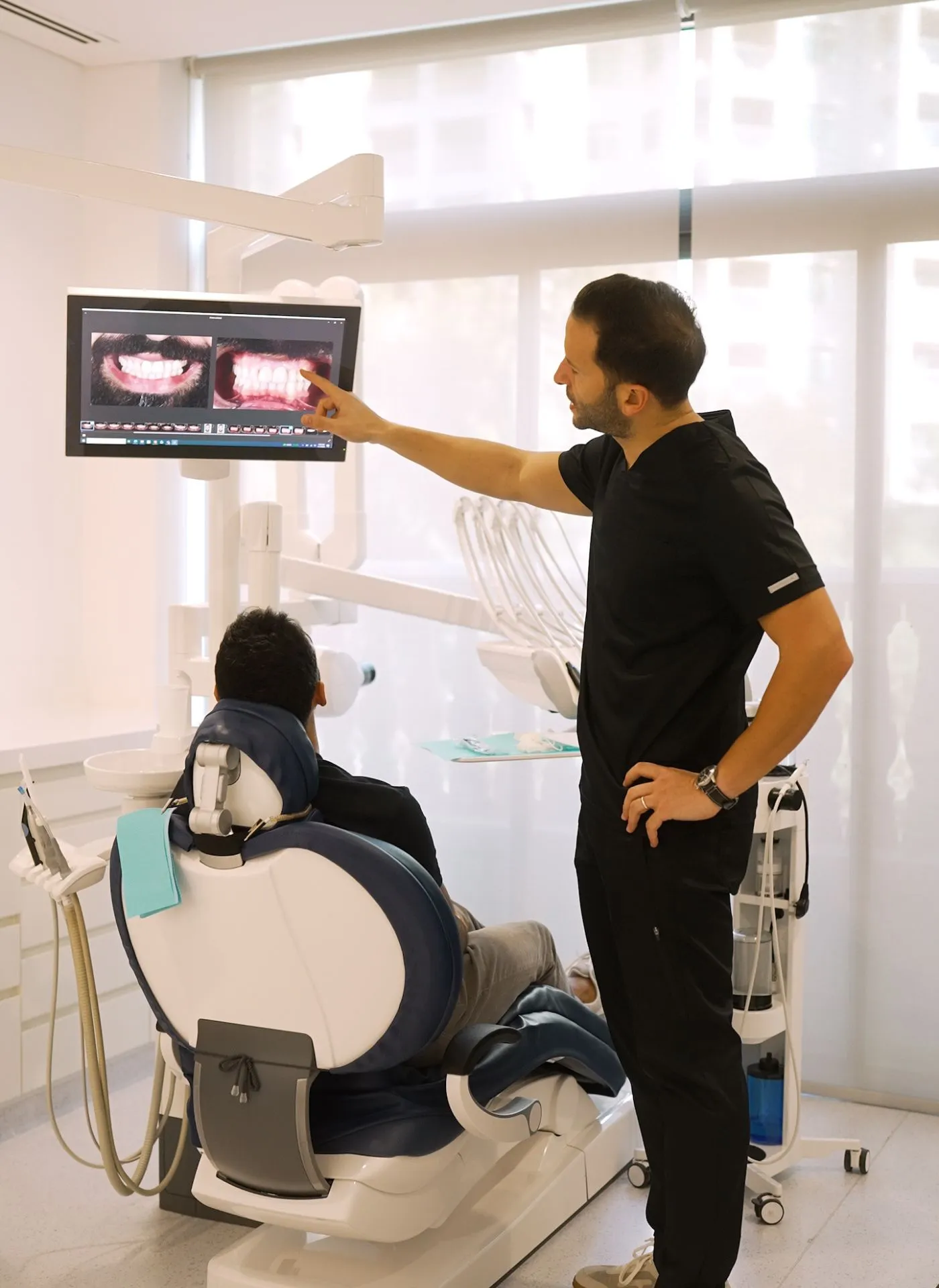
Advanced imaging and digital design ensure accurate, comfortable, and predictable treatment outcomes.

Every procedure is tailored to your goals, prioritizing safety, comfort, and long-term stability.

Regular check-ups and supportive care maintain results and protect your long-term oral health.
Contact me to begin a thoughtful dental journey combining advanced diagnostics, clear communication, and premium care, delivered within trusted hospital settings, where safety, comfort, and personalised attention guide every clinical decision with long-term patient confidence.
What causes Sleep Apnea?
The most common cause of sleep apnea is obstruction of the airway, which occurs when the muscles at the back of the throat relax too much, causing the airway to collapse or become blocked. This is known as obstructive sleep apnea (OSA). Risk factors for OSA include obesity, a large neck circumference, nasal congestion, and a family history of sleep apnea. Central sleep apnea is caused by the brain’s failure to send the correct signals to the muscles that control breathing. Other factors that contribute to sleep apnea include aging, smoking, alcohol consumption, and certain medical conditions such as diabetes and high blood pressure. Effective treatment for sleep apnea in Dubai addresses these causes, helping restore regular breathing.
Why does my breathing stop while I sleep?
Breathing stops during sleep due to obstruction or relaxation of the airway muscles, causing the throat to collapse or narrow. In obstructive sleep apnea (OSA), the airway becomes blocked temporarily when the soft tissues at the back of the throat collapse. This blockage can last anywhere from a few seconds to minutes, causing intermittent breathing pauses. In central sleep apnea, the brain fails to send the proper signals to the muscles that control breathing. These disruptions prevent deep, restorative sleep and lead to symptoms like snoring, gasping, and daytime sleepiness. For effective treatment of sleep apnea in Dubai, consult a specialist who can help identify the cause and offer appropriate solutions.
Laughing Gas
General Anesthesia
Digital Smile Design
Defibrillator
Operating Microscope
Conscious Sedation with Drug-Induced Anesthesia
Conscious Sedation with Nitrous Oxide
LED Whitening Lamp
Diode Laser
Full CT Scan
Tac 3D Cone Beam
Piezoelectric Surgery
Air Flow (Oral Hygiene with Micro-Powders)
Panoramic X-ray
Intraoral Camera
Intraoral Scanner
Phosphor Digital Radiology
Sterilization
From Dubai Marina
Drive toward Sheikh Zayed Road, follow signs to Palm Jumeirah, then enter the trunk via the main bridge. Continue straight until you reach Golden Mile Galleria Building 9, located on the left side of the trunk.
From Al Barsha
Take Umm Suqeim Road toward the Palm entrance, follow the bridge onto the trunk, and continue straight until Golden Mile Galleria Building 9 appears on your left.
Where to Park
Parking is available inside the same building, at Golden Mile Galleria Building 9. Visitors receive 2 hours of free parking, making access simple and stress-free. Just follow the entrance signs to the basement parking, then walk directly to Emirates Hospital Clinics.
- Dubai Marina: Drive towards Sheikh Zayed Road, follow signs for Palm Jumeirah, cross the Palm Jumeirah access road, then continue to Golden Mile Galleria.
Jumeirah Village Circle: Drive toward Sheikh Mohammed Bin Zayed Road, follow signs to Palm Jumeirah, continue to Golden Mile Galleria.
- Al Sufouh: Head toward the Palm entrance and continue straight on the trunk to Building 9.
Jebel Ali: Reach Sheikh Zayed Road northbound, follow signs to Palm Jumeirah, continue to Golden Mile.
Discovery Gardens: Take Sheikh Zayed Road toward the Palm bridge and proceed to the trunk.
From Downtown Dubai
Drive toward Oud Metha Road following signs for Dubai Healthcare City. Continue straight until you reach the Clemenceau Medical Center Hospital entrance, located within DHCC Phase 2. I’m at Dubai Healthcare City 2.
From Jumeirah
Head toward Al Wasl Road, continue to Oud Metha Road, and follow the signs for Dubai Healthcare City. Once inside DHCC, follow the internal signage to reach Clemenceau Medical Center Hospital. I’m at Dubai Healthcare City 2.
Where to Park
Clemenceau Medical Center Hospital offers free valet parking within the same building, making access convenient for all patients. Visitors can park in the designated basement or outdoor areas and follow signage to the hospital entrance.
- Dubai Hills: Drive towards Al Khail Road, continue to Oud Metha Road, then follow signs to Al Jaddaf and Dubai Healthcare City.
- Downtown Dubai: Drive towards Al Khail Road, continue onto Oud Metha Road, then follow signs to Al Jaddaf and Dubai Healthcare City.
- Business Bay Dubai: Drive towards Al Khail Road, continue onto Oud Metha Road, then follow signs to Al Jaddaf and Dubai Healthcare City.
Al Satwa: Drive toward Sheikh Zayed Road, continue to Oud Metha Road, and enter DHCC.
Umm Hurair: Take local roads directly into Dubai Healthcare City.
Karama: Head straight toward Oud Metha Road and follow signs to DHCC.
Schedule your visit today to receive a comprehensive evaluation, modern diagnostics, and a carefully explained treatment plan, designed around safety and aesthetics, in a calm hospital environment that supports comfort, trust, and long-term oral wellbeing.
 Hollywood smile
-
Dental Veneers
-
GBT Hygiene
-
First Visit
-
Conservative Dentistry
-
Endodontics
-
Transparent Orthodontics
-
Orthodontics
-
Teeth Whitening
-
Dental Prosthetics
-
Implantology
-
Periodontology
-
Pediatric Dentistry
-
Oral Surgery
-
Sleep apnea




Follow me on social media
Follow Dr. Ali Khodr for educational content, clinical insights, smile transformations, and expert guidance focused on health, precision, and natural aesthetics.

How is Sleep Apnea treated?
Treatment for sleep apnea varies depending on its severity and type. For mild cases, lifestyle changes such as weight loss, avoiding alcohol, and sleeping on your side can help reduce symptoms. CPAP (Continuous Positive Airway Pressure) therapy is the most common treatment for moderate to severe cases of obstructive sleep apnea. It uses a machine that delivers air pressure through a mask to keep the airway open during sleep. In some cases, oral appliances or surgery may be recommended to treat sleep apnea. A comprehensive treatment plan for sleep apnea in Dubai will be customized to your specific condition, helping improve your sleep and overall health.
How to reduce Sleep Apnea symptoms naturally
Several lifestyle changes can help reduce the symptoms of sleep apnea naturally. Losing excess weight can relieve pressure on the airway and improve airflow during sleep. Sleeping on your side rather than your back can help prevent the airway from becoming blocked. Avoiding alcohol and sedatives before bedtime can reduce muscle relaxation in the throat, which contributes to airway obstruction. Regular exercise can also help improve overall respiratory function. Although natural methods can be beneficial, seeking professional treatment for sleep apnea in Dubai is crucial to ensure that symptoms are fully addressed and managed.
Do I need a mandibular advancement device for Sleep Apnea?
Do I need a mandibular advancement device for Sleep Apnea?
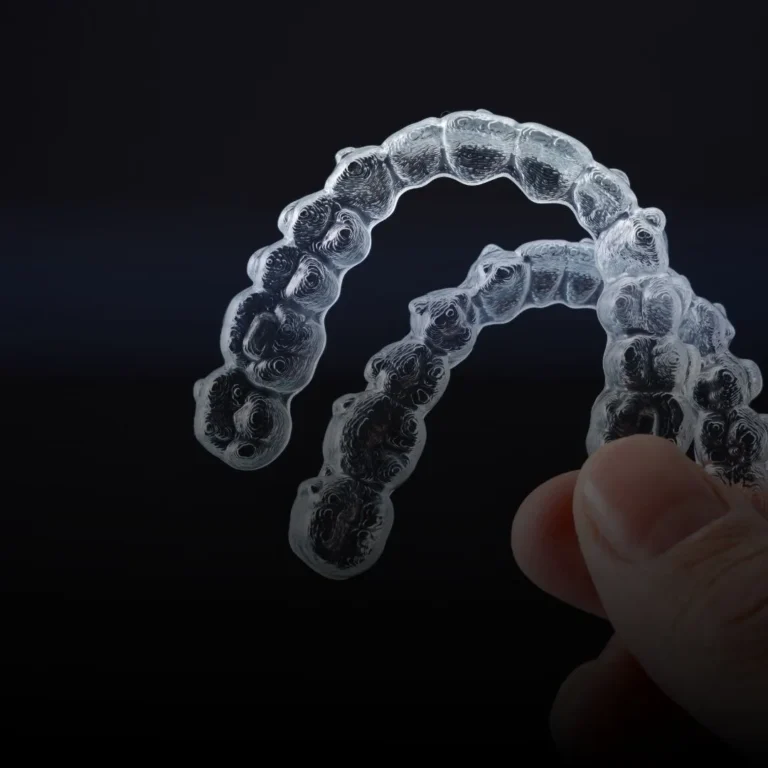
A mandibular advancement device (MAD) is a type of oral appliance that helps treat mild to moderate obstructive sleep apnea (OSA). It works by repositioning the lower jaw slightly forward to prevent the airway from collapsing during sleep. This device is an effective alternative for patients who cannot tolerate CPAP therapy. MADs are comfortable and non-invasive, providing a more discreet and user-friendly treatment option. A sleep apnea in Dubai specialist can assess whether a mandibular advancement device is suitable for your condition and provide a personalized treatment plan to improve your sleep quality.
What happens if Sleep Apnea is left untreated?
What happens if Sleep Apnea is left untreated?
If left untreated, sleep apnea can lead to serious health complications. Ongoing oxygen deprivation during sleep can increase the risk of high blood pressure, heart disease, and stroke. Additionally, untreated sleep apnea contributes to excessive daytime sleepiness, leading to impaired concentration, memory issues, and increased risk of accidents. Sleep apnea has also been linked to metabolic problems, including type 2 diabetes and obesity. Timely treatment can help prevent these complications, improving both quality of life and overall health. If you suspect you have sleep apnea, seek professional help for sleep apnea in Dubai to reduce these risks and promote better health.
Can Sleep Apnea cause heart problems?
Can Sleep Apnea cause heart problems?
Yes, untreated sleep apnea can significantly increase the risk of developing heart problems. Repeated interruptions in breathing lead to lower oxygen levels in the blood, which can stress the heart. Over time, this can result in high blood pressure, heart arrhythmias, and an increased risk of heart attacks and stroke. The strain on the cardiovascular system from constant oxygen deprivation is a major health concern for individuals with sleep apnea. Early diagnosis and treatment are crucial in reducing these risks. For a professional evaluation and treatment plan for sleep apnea in Dubai, consult with a specialist.
Can Sleep Apnea be dangerous?
Can Sleep Apnea be dangerous?
Yes, sleep apnea can be dangerous if left untreated. The repeated episodes of breathing cessation during sleep can lead to severe health complications, including heart disease, stroke, and diabetes. Sleep apnea also contributes to poor sleep quality, which can impair mental health, causing issues like depression and anxiety. It has been linked to an increased risk of accidents due to daytime sleepiness and impaired concentration. Seeking professional treatment for sleep apnea is crucial to improving health outcomes and preventing serious complications. Early intervention ensures better management of sleep apnea in Dubai.
Sleep Apnea in Dubai: our method
Sleep Apnea in Dubai: our method
Our method for diagnosing and treating sleep apnea includes a comprehensive evaluation of your symptoms, medical history, and sleep patterns. We use advanced diagnostic tools, such as sleep studies and home sleep tests, to assess the severity of the condition. Based on the findings, we recommend the most appropriate treatment, whether it’s lifestyle changes, CPAP therapy, oral appliances, or even surgery. Our team works closely with each patient to create a personalized treatment plan that improves sleep apnea in Dubai and ensures better health and quality of life.
Night mouthguard in Dubai
Night mouthguard in Dubai
A night mouthguard is a simple and effective solution for treating mild to moderate sleep apnea. It works by repositioning the lower jaw forward, helping to keep the airway open during sleep. This non-invasive device is a comfortable and discreet alternative to more invasive treatments like CPAP. A night mouthguard can help reduce snoring, improve sleep quality, and prevent interruptions caused by obstructed airways. If you’re looking for an easy and effective treatment for sleep apnea in Dubai, a night mouthguard may be a great option for you. Consult with our experts for a personalized evaluation.